By Katy Harrison
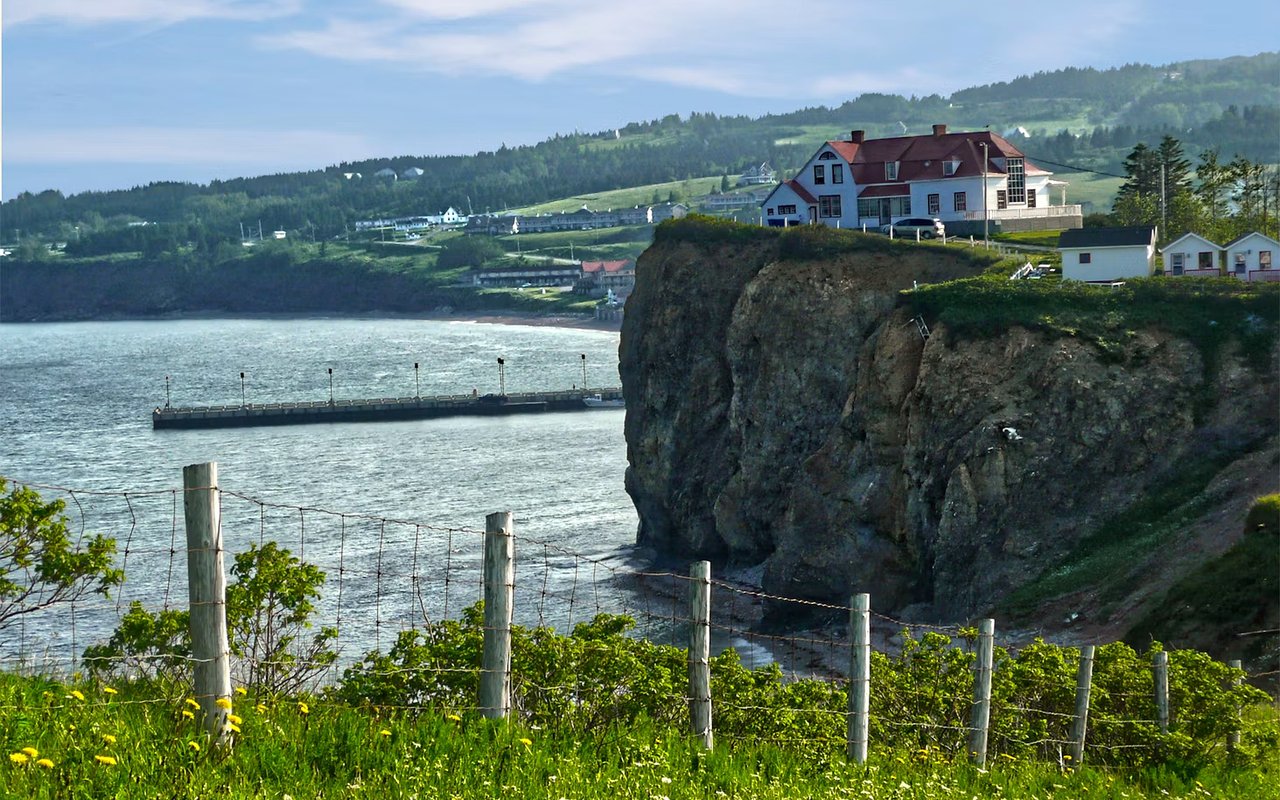
Few settings capture the Pacific coast like a home perched above the water. Open horizons, changing light, and the sound of the surf draw many people to the shoreline. These homes also come with rules, permits, insurance questions, and environmental risks that deserve a close look. Here is what to weigh before you fall in love with a view and make an offer.
Key Takeaways
- The appeal: Ocean views, light, and outdoor living draw people to coastal homes.
- Local rules: Carmel-by-the-Sea has design review, height limits, and coastal permit requirements.
- Sea level risk: The California Coastal Commission projects a rise of 1 to 6.6 feet by 2100.
- Insurance: Standard policies may exclude earthquake, flood, and coastal erosion.
Appreciate the Coastal Setting
Oceanfront and bluff-top homes appeal to people who want the Pacific as part of daily life. Views, light, and the sound of the water shape how these homes feel.
What Draws People to the Coast
- Views: Open horizons can make rooms feel larger and more connected to the outdoors, which many people value highly.
- Light: Large windows can fill a home with changing light from morning through evening, though glare and privacy deserve attention.
- Outdoor living: Decks and terraces can turn the view into an everyday living space.
Each property sits differently, so visit at several times of day and in different weather. A home that feels perfect in sunshine may feel different on a foggy morning.
Learn the Local Rules
The City of Carmel-by-the-Sea notes that some projects require a coastal development permit. West of Carmelo Street, in the Beach and Riparian Overlay District, the maximum height is 18 feet.
Rules to Review
- Design review: Most exterior alterations require review and approval by the city, and some projects also need a coastal development permit.
- Height limits: The 18-foot limit applies west of Carmelo Street in the overlay district.
- Floor area: On sites of 4,000 square feet or less, the maximum floor area is 45 percent.
Slopes, trees, and odd lot shapes can limit what is possible on a site. Ask the city which rules apply to the specific parcel before you plan any changes.
Weigh Erosion and Sea Level Risk
The California Coastal Commission reports that sea level has risen 7 to 8 inches over the past century. It cites a projected rise of 1 to 6.6 feet by 2100.
Risk Factors to Understand
- Storm impacts: The Commission expects near-term damage to come mostly from El Nino storms combined with high tides and large waves.
- Local planning: State law requires coastal-zone local governments to prepare sea level rise plans by January 1, 2034, which may shape future rules.
- Expert review: Ask a licensed geotechnical professional to evaluate the property and its setting.
Risk varies from one parcel to the next, even along the same stretch of coast. A professional review helps you understand what applies to the home you are considering.
Price Insurance for Coastal Risks
One Monterey agency notes that standard homeowners policies exclude earthquake damage. It adds that a tsunami would typically fall under flood coverage, which is a separate policy.
Coverage to Compare
- Coastal erosion: The agency says a standard policy does not cover erosion.
- Fire zones: Parts of the region carry higher fire hazard designations that can affect availability and cost, so check the specific address.
- Quotes: Request quotes early so you know the real cost before you commit.
Insurance rules and availability change often, so figures from last year may not hold. A local independent agent can compare carriers for you and explain the options.
Plan for Upkeep and Renovation
Coastal homes may face more wear from weather and moisture, so ask for maintenance records. Renovation plans also need to fit local rules.
Upkeep Questions
- Maintenance history: Ask what repairs and updates the owner has completed.
- Historic status: A property over 50 years old may need a historic evaluation before exterior work.
- Tree permits: A permit is required for removing certain trees of 6 inches or more in diameter.
A careful review of the property file and past permits helps you avoid surprises after closing. I am happy to help you gather the records and the right professionals.
FAQs
What should I know about oceanfront bluff top properties Carmel has to offer?
These homes offer views and a close connection to the coast. They also come with design rules, coastal permit questions, and erosion and insurance considerations. Review the city rules and consult qualified professionals before you buy.
Does homeowners insurance cover coastal erosion?
One Monterey insurance agency says a standard homeowners policy does not cover erosion. Earthquake and flood are also separate coverages. Ask an independent agent to compare options.
Do I need a geotechnical report for a bluff-top home?
A licensed geotechnical professional can evaluate bluff conditions and help you understand risk. Requirements vary by property and project. Ask your agent and the city what applies.
Reach Out to Katy Harrison
If a coastal Carmel home has caught your eye, I would be happy to help you ask the right questions. Reach out to Katy Harrison to talk about the properties on your list. I will share what I know about the area.