Are you drawn to the idea of a Carmel address, but not sure whether your daily life would feel better by the beach or farther inland? That choice matters more than many buyers expect, because Carmel-by-the-Sea and Carmel Valley Village offer very different rhythms, home settings, and ownership experiences. If you are deciding between a compact coastal village and a sunnier valley base, this guide will help you compare the trade-offs with more clarity. Let’s dive in.
Carmel lifestyle at a glance
At a high level, Carmel-by-the-Sea is the coastal option, while Carmel Valley Village is the inland option. That sounds simple, but the difference goes beyond scenery.
Carmel-by-the-Sea is an incorporated city entirely within the coastal zone, with a certified Local Coastal Program and planning that emphasizes coastal access, recreation, and resource management. Carmel Valley Village, by contrast, falls under Monterey County planning and carries an official wine-country identity through the Carmel Valley American Viticultural Area.
That means you are not just choosing between two zip codes. You are choosing between two planning frameworks, two climate patterns, and two ways of living day to day.
Carmel-by-the-Sea: compact and coastal
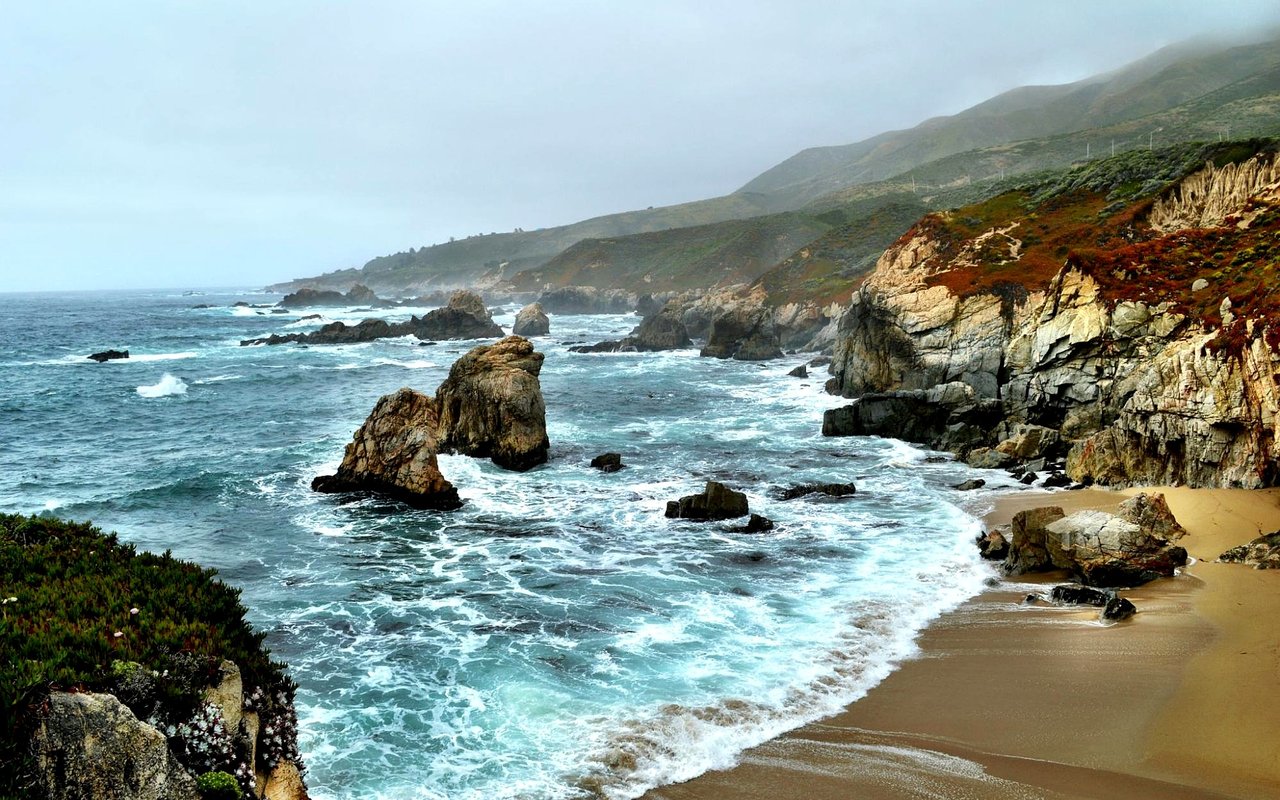
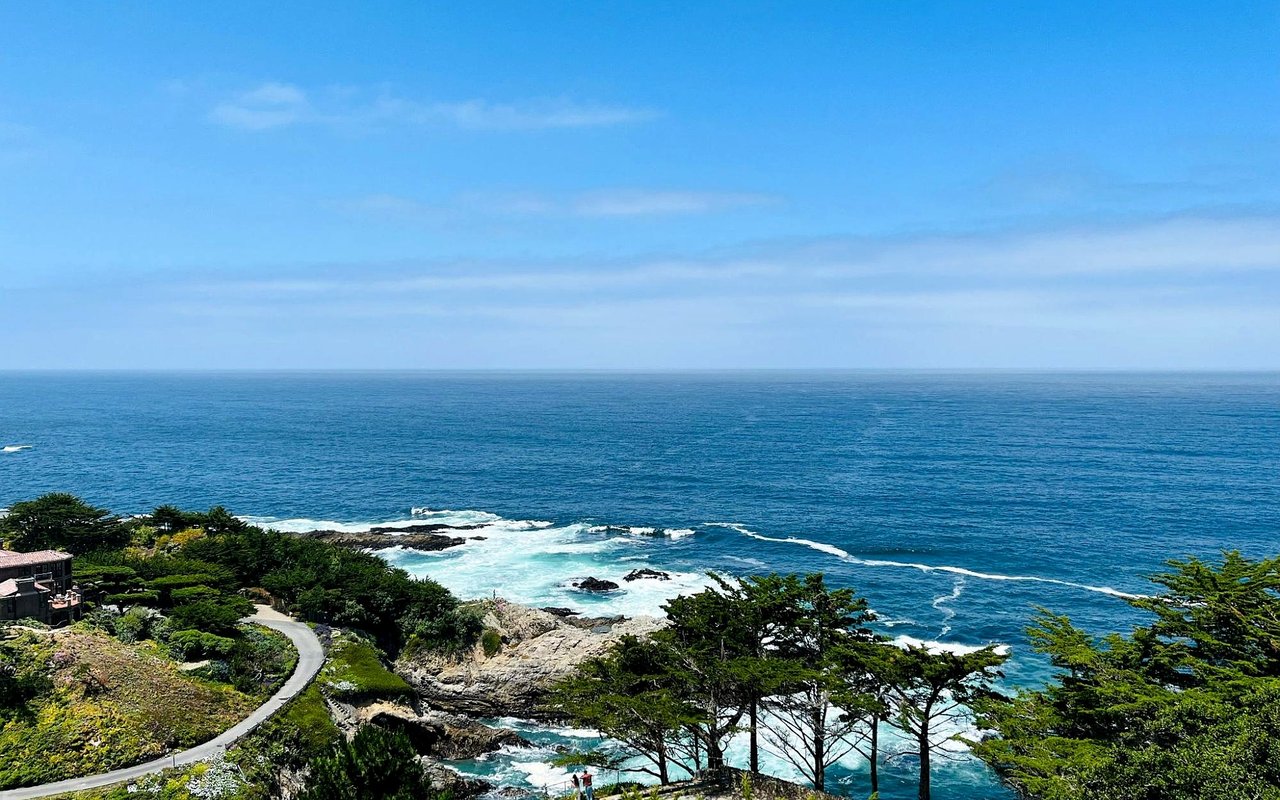
If you picture walks near the coast, cooler air, and a tightly managed village setting, Carmel-by-the-Sea may feel like the natural fit. The city’s planning and design standards help preserve a compact, human-scale character.
The housing stock there is largely single-family detached. The city’s housing element reported that 87 percent of homes were single-family detached in 2019, and the city’s residential design tradition emphasizes modesty, simplicity, and a village-in-a-forest feel.
Home scale in Carmel-by-the-Sea
Carmel-by-the-Sea is built around relatively compact residential sites. City code includes lot-size language at 6,000 square feet in one overlay, and floor-area standards are structured around sites ranging from 4,000 to 10,000 square feet.
The city’s housing element also caps single-family residential density at 11 dwelling units per acre. In practical terms, that supports a close-knit village pattern rather than a spread-out, land-heavy one.
Design character in Carmel-by-the-Sea
Architecturally, the city is known for a more curated look. Residential guidance points to Victorian cottages, Craftsman bungalows, and storybook houses, all shaped by standards that favor modest scale and design consistency.
If you love homes with charm, detail, and a distinct village identity, this can be a major draw. If you want a broader range of home forms or fewer stylistic guardrails, you may find the valley more comfortable.
Carmel Valley Village: more land and sun
Carmel Valley Village offers a very different home base. It is less dense, generally sunnier in feel, and more tied to a rural-residential and vineyard-adjacent lifestyle.
The area’s wine-country identity is official. Carmel Valley is recognized as an American Viticultural Area, and the original federal notice described the area as lying above the fog belt, where higher elevation helps limit marine fog incursion and supports more sunny days.
Home scale in Carmel Valley Village
The valley is acreage-oriented in a way the coast is not. The 2020 Census profile showed a population density of 238.3 people per square mile in Carmel Valley Village, compared with 3,034.1 people per square mile in Carmel-by-the-Sea.
County planning documents regularly use larger-lot standards such as 1 acre per unit in Low Density Residential areas and 10 acres per unit in Rural Density Residential areas. Documented subdivisions in the Carmel Valley Master Plan area include lots ranging from 1.82 to 11.62 acres and from 5.13 to 23.42 acres.
That does not mean every home in or near the village sits on a large parcel, but it does show the broader land pattern. If privacy, breathing room, and more separation between homes matter to you, the valley often aligns better with that goal.
Design character in Carmel Valley Village
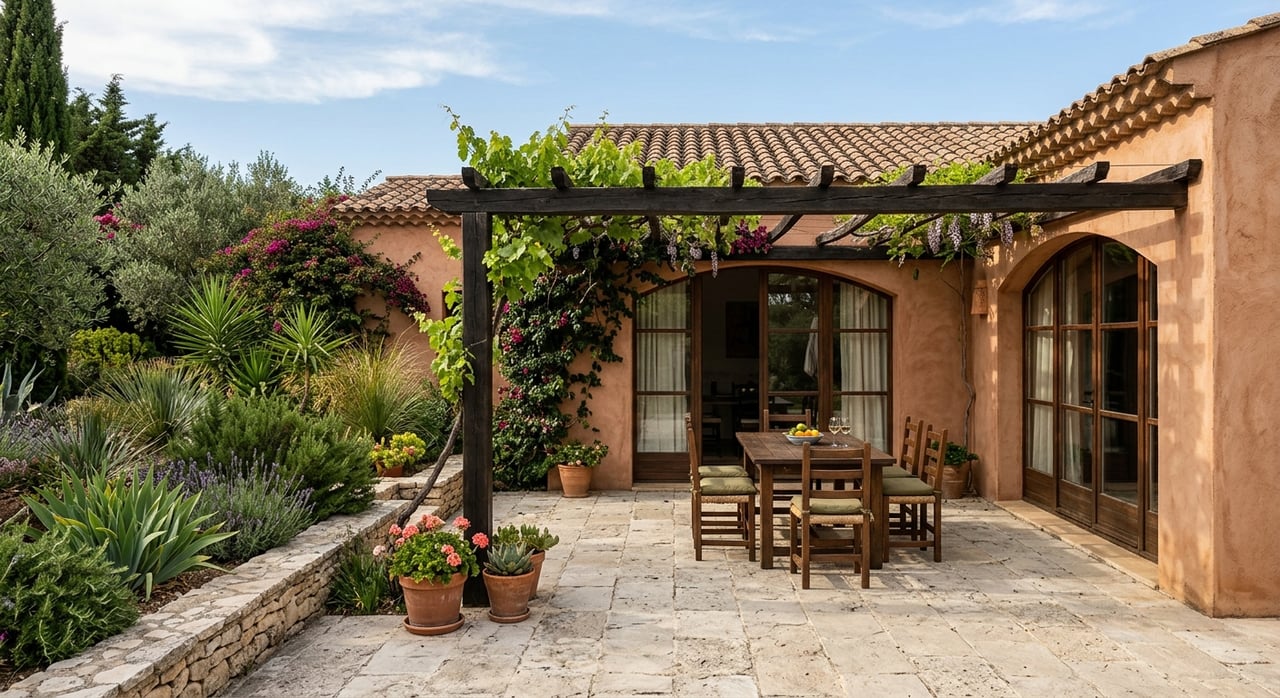
Architecturally, Carmel Valley is less codified than Carmel-by-the-Sea. County reports describe homes that fit the rural character through features like gable roofs, clay tile, standing seam metal roofs, wood doors, shuttered windows, weathered wood trellises, and stone walls.
The county also emphasizes reducing mass and blending homes with the landform. That creates space for a wider mix of ranch, contemporary, and custom estate expressions while still reflecting the area’s rural setting.
Climate can shape your routine
For many buyers, climate ends up being the deciding factor. The coast and the valley can support very different daily habits.
Carmel-by-the-Sea carries the cooler, fog-influenced coastal identity many people expect. As a coastal baseline, NOAA data from the Monterey weather station at 122 feet elevation shows average July highs of 65.8°F, average August highs of 66.9°F, and annual precipitation of 17.11 inches.
That supports a beach-first lifestyle, cooler summer afternoons, and a climate that often feels crisp and marine-influenced. If that is what you want, the coast delivers a clear case.
Carmel Valley, on the other hand, is best understood as generally sunnier and warmer-feeling than the coast. The federal AVA notice described the valley as lying above the fog belt, with higher elevation reducing marine fog incursion and producing more sunny days.
In practice, this often means your routine may lean more toward patios, outdoor entertaining, and inland sunshine. If you tend to prefer warmth and brighter afternoons, the valley may feel easier to live in year-round.
Full-time home or second-home base?
This is one of the most useful ways to compare the two areas. The better choice often depends on whether you want a primary residence rhythm or a getaway-style base.
Carmel-by-the-Sea for second-home appeal
Carmel-by-the-Sea has a strong second-home and seasonal-use profile. The 2020 Census profile showed 3,056 housing units, 1,721 occupied units, and 1,335 vacant units, which equals a 43.7 percent vacancy rate for that census snapshot.
The city’s housing element adds more context from a different time period. It reported an average vacancy of about 51 percent from 2010 to 2019, with 80 percent of vacant units categorized as seasonal, recreational, or occasional use.
Those figures should not be treated as one static snapshot, but together they do support the view that Carmel-by-the-Sea has a meaningful seasonal and second-home presence. If you want a lock-and-leave coastal retreat with strong village appeal, this may match your goals.
Carmel Valley Village for year-round living
Carmel Valley Village reads more like a year-round residential base. The 2020 Census profile showed 2,122 housing units, 1,854 occupied units, and 268 vacant units, for a 12.6 percent vacancy rate.
That does not directly measure primary residences, but it does suggest a more consistently occupied housing pattern than Carmel-by-the-Sea. If you want a home base with more everyday residential rhythm, the valley may feel more natural.
Rules and ownership style matter
Lifestyle is not just about the home itself. It is also about how much regulation you are comfortable with once you own it.
Carmel-by-the-Sea is more tightly managed. Most exterior alterations require Design Study approval, some projects go to the Planning Commission, and transient rentals in single-family residential zoning may not be rented for less than 30 days.
For some buyers, that structure is a benefit because it helps preserve the city’s visual character. For others, especially buyers who want more flexibility around changes or use, it can feel restrictive.
Carmel Valley Village operates through Monterey County’s rural-residential standards and larger-lot planning framework. The overall feel is less village-regulated and more land-oriented, which can be appealing if you value flexibility within a rural-residential setting.
Which home base fits you best?
There is no universal winner here. The right answer depends on the routine you want to optimize.
Choose Carmel-by-the-Sea if you are looking for:
- A compact coastal setting
- Cooler, fog-influenced weather
- Village character and beach access
- Cottage-style charm and human-scale design
- A second-home lifestyle or seasonal retreat feel
- Comfort with more design review and tighter exterior controls
Choose Carmel Valley Village if you are looking for:
- More land and lower density
- A generally sunnier, warmer-feeling setting
- A wine-country atmosphere with a rural-residential pace
- More variety in home style and site scale
- A stronger year-round residential pattern
- More privacy and breathing room
If you are relocating, retiring, or buying a second home, this decision often comes down to one honest question: do you want your day to revolve around the coast, or around space and sun?
Both settings offer a strong lifestyle, but they deliver it in very different ways. If you want help sorting through the trade-offs, comparing available homes, or narrowing your search based on how you actually want to live, Katy Harrison would be glad to help.
FAQs
What is the main difference between Carmel-by-the-Sea and Carmel Valley Village?
- Carmel-by-the-Sea is a compact coastal city with tighter design oversight and a beach-oriented village setting, while Carmel Valley Village is a lower-density inland area known for a sunnier feel, wine-country identity, and larger-lot planning patterns.
Are homes in Carmel Valley Village usually larger lots than homes in Carmel-by-the-Sea?
- In general, yes. Carmel-by-the-Sea planning is built around smaller square-foot lot patterns, while Carmel Valley planning regularly uses acreage-based standards and includes subdivisions with multi-acre parcels.
Is Carmel-by-the-Sea more seasonal than Carmel Valley Village?
- The available housing data suggests yes. Carmel-by-the-Sea shows a much higher vacancy level and a strong seasonal or occasional-use pattern, while Carmel Valley Village shows a lower vacancy rate that suggests a more year-round residential base.
Does Carmel Valley Village get more sun than Carmel-by-the-Sea?
- The research supports framing Carmel Valley as generally sunnier and warmer-feeling than the coast because the area is described as lying above the fog belt, while Carmel-by-the-Sea reflects a cooler coastal baseline.
Is Carmel-by-the-Sea more regulated for homeowners?
- Yes. Carmel-by-the-Sea has a more structured review process for exterior changes and limits transient rentals in single-family residential zoning to stays of at least 30 days.
Which area is better for a full-time home in Monterey County?
- It depends on your priorities. If you want more space, privacy, and a more residential rhythm, Carmel Valley Village may be a better fit. If you want a compact coastal base with village character, Carmel-by-the-Sea may suit you better.