By Katy Harrison
If you're planning a project on the Monterey Peninsula, I want to help you make it both beautiful and responsible. That means designing with the local fog, forest canopy, and water supply in mind, not just chasing the latest trend. I want to walk you through what sustainable design actually looks like here in Carmel, from the materials people are choosing to the systems that make the most sense for these coastal conditions. Let's get into what is shaping this shift, why it looks different here than in other luxury markets, and how it plays out in real homes.
Key Takeaways
- Sustainable design in Carmel has to account for local fog, tree cover, and water supply
- Water-conscious features are becoming standard rather than optional
- Protecting the tree canopy is central to any sustainable building plan here
- Material and energy choices need to match the Peninsula's specific coastal climate
Why Sustainable Design Matters in Carmel's Housing Market
More buyers are asking about energy systems, water use, and materials before they even discuss finishes. In a market like Carmel, where the natural setting is part of the appeal, building sustainably also means protecting what makes the area desirable in the first place. That connection between environmental responsibility and long-term property value is becoming harder to ignore.
This is not only about new construction. Renovations across the Peninsula increasingly fold in the same priorities, one system or upgrade at a time, and even smaller updates can move a home meaningfully in this direction.
This is not only about new construction. Renovations across the Peninsula increasingly fold in the same priorities, one system or upgrade at a time, and even smaller updates can move a home meaningfully in this direction.
Sustainable Features Buyers Are Looking For
- Solar arrays paired with battery storage for backup power
- High-efficiency heat pump systems for heating and cooling
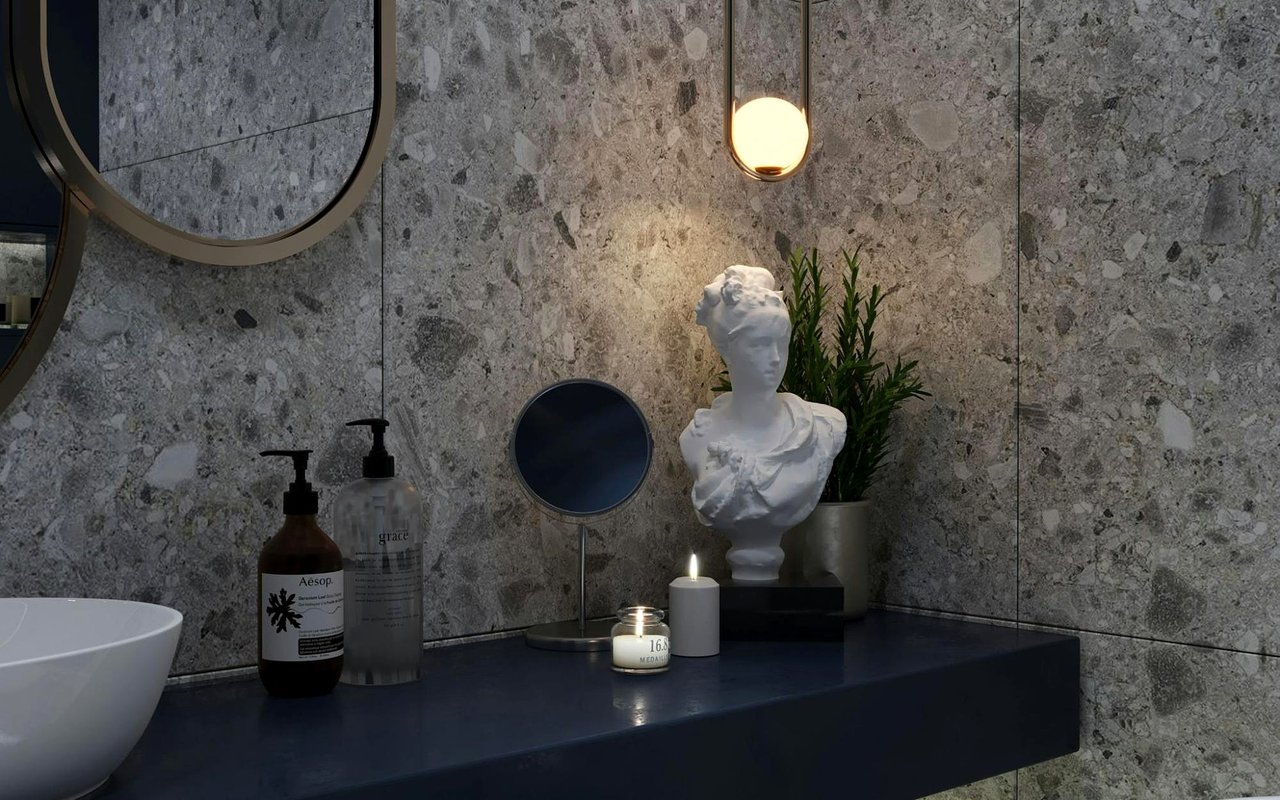
- Low-flow fixtures and greywater-ready plumbing
- Native, drought-tolerant landscaping in place of high-water lawns
Building Around Carmel's Water Reality
The Monterey Peninsula has operated under water connection restrictions for years, and that reality shapes how homeowners approach any project, from a full rebuild to a bathroom remodel. Being thoughtful about water use is not just an environmental choice here. It is often a practical requirement tied to what a property can support.
Homeowners who plan for water efficiency early tend to have an easier path through design and permitting. It is worth discussing water strategy with your design team before finalizing plans, since the right fixtures and systems can make a meaningful difference in what a project is able to move forward with.
Homeowners who plan for water efficiency early tend to have an easier path through design and permitting. It is worth discussing water strategy with your design team before finalizing plans, since the right fixtures and systems can make a meaningful difference in what a project is able to move forward with.
Water-Conscious Choices That Matter Here
- Rainwater catchment systems for irrigation or non-potable use
- Native plant palettes suited to the Peninsula's Mediterranean coastal climate
- Low-flow fixtures throughout kitchens and bathrooms
- Smart irrigation controllers for any remaining garden areas
Designing With the Tree Canopy, Not Against It
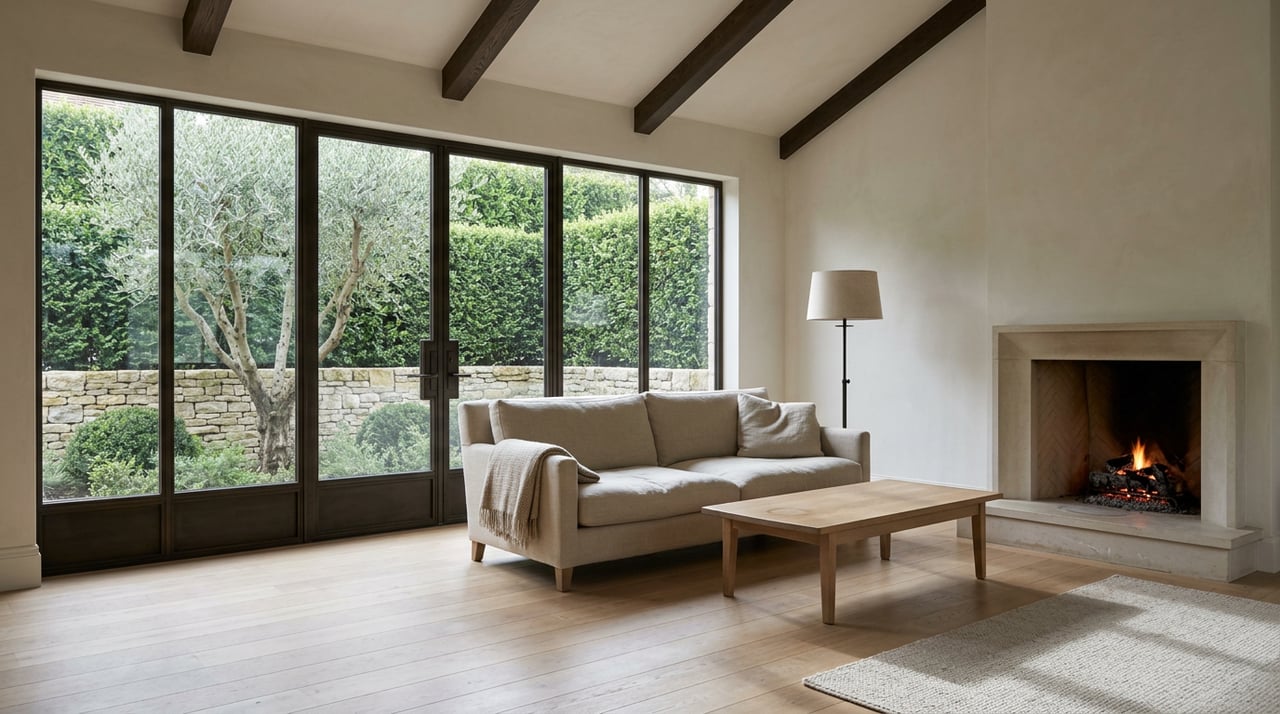
Carmel's Monterey pines and cypress trees are protected, and any building project has to work around them rather than through them. That constraint has pushed many homeowners toward designs that treat the canopy as an asset instead of an obstacle. A home sited thoughtfully among mature trees often needs less mechanical cooling as a result, and it typically requires a permit before any protected tree can be removed.
This approach also tends to preserve more of what makes a lot feel private and established. Removing mature trees is rarely the easiest or most sustainable path forward.
This approach also tends to preserve more of what makes a lot feel private and established. Removing mature trees is rarely the easiest or most sustainable path forward.
Ways to Build Sustainably Around Protected Trees
- Siting the home footprint around existing mature trees rather than removing them
- Using permeable paving near root zones to protect tree health
- Relying on canopy shade for natural cooling instead of mechanical systems
- Adding native understory plantings that thrive beneath the tree line
Materials and Energy Choices That Fit the Coastal Climate
Carmel's fog and coastal wind call for different material and energy decisions than you would make in a sunnier inland market. Well-sealed building envelopes and durable, weather-resistant materials matter more here than in drier climates. Choosing systems built for these conditions helps a home perform well for years rather than needing early repairs, and it also tends to keep long-term maintenance costs lower.
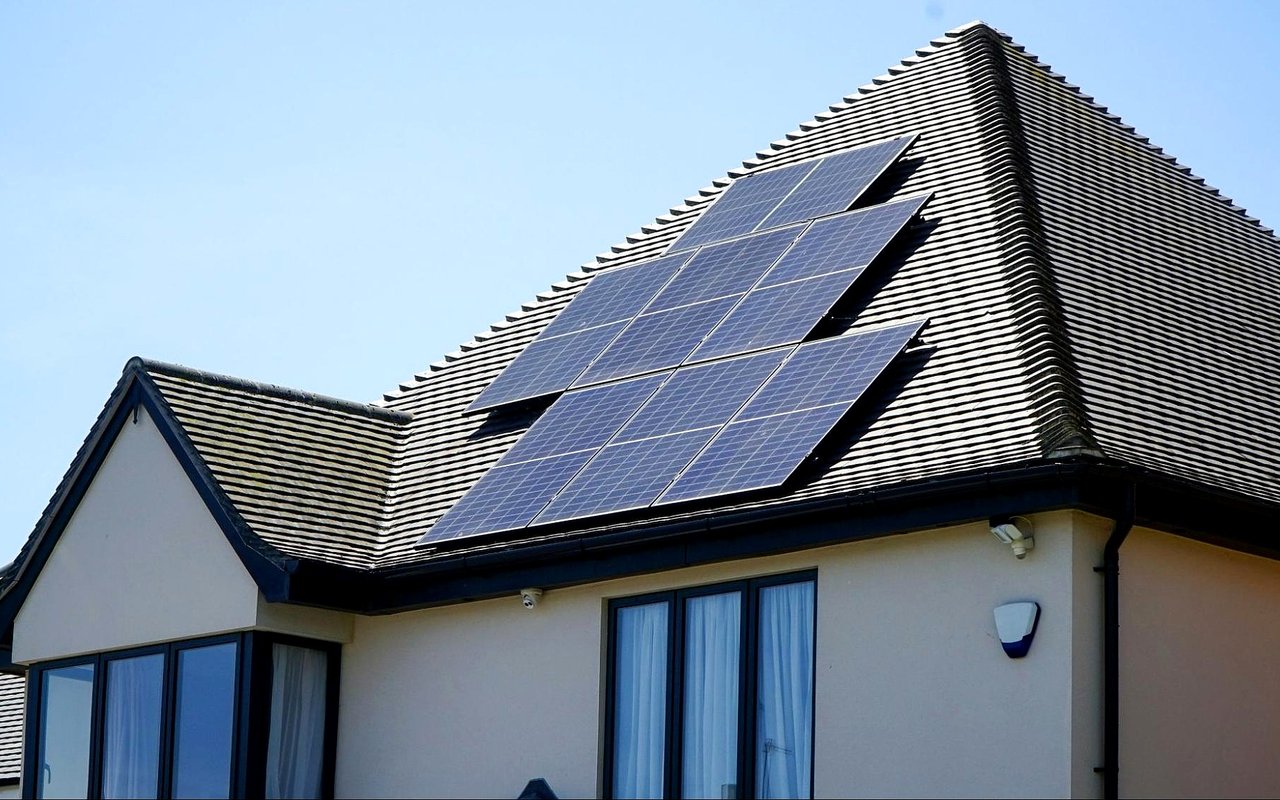
Solar still makes sense on the Peninsula, but placement matters more given local fog patterns. Working with a team that understands local sun exposure helps you get real value from the investment.
Solar still makes sense on the Peninsula, but placement matters more given local fog patterns. Working with a team that understands local sun exposure helps you get real value from the investment.
Sustainable Material and Energy Upgrades to Consider
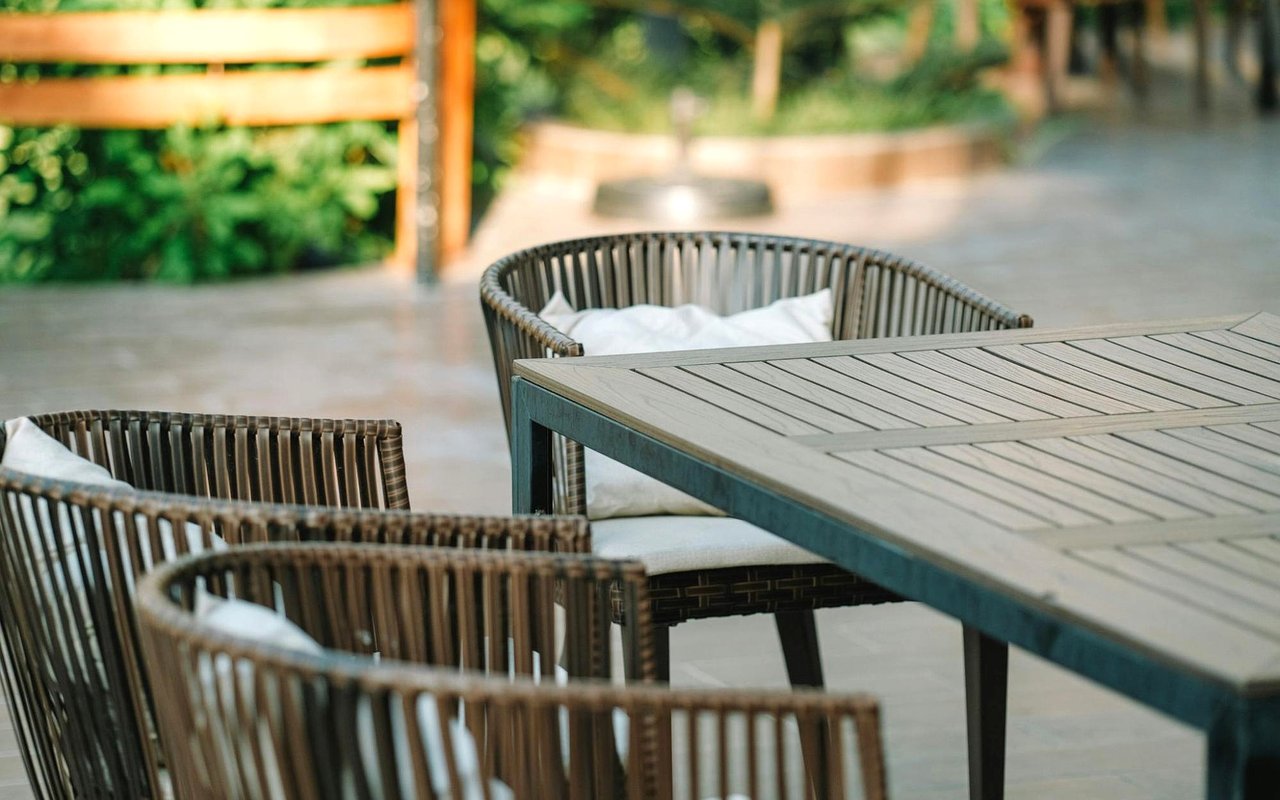
- Locally sourced or reclaimed wood and stone finishes
- High-efficiency heat pump systems suited to the Peninsula's mild temperatures
- Solar panels positioned for the clearest southern or western exposure
- Well-insulated, tightly sealed building envelopes for fog and wind resistance
FAQs
Is solar worth it in a foggy coastal climate like Carmel?
It can be, especially when panels are positioned to capture the clearest exposure on a given lot. I am glad to connect you with professionals who can evaluate a specific property's potential.
What water-saving features should I include in a new build or renovation?
Low-flow fixtures, drought-tolerant landscaping, and rainwater catchment are strong starting points given the Peninsula's water reality. I can help you think through what fits your project and budget.
Do sustainable upgrades affect a home's value here?
Buyers on the Peninsula increasingly look for these features, so thoughtful upgrades tend to be well received. I would love to talk through what makes the most sense for your property.
Contact Katy Harrison Today
Building or renovating sustainably in Carmel takes an understanding of the Peninsula's specific climate, water supply, and tree protections, and I want to help you navigate all of it. Whether you are searching for a home already built with these priorities in mind or planning updates to a property you already own, I am here to help you make sense of the options.
From connecting you with the right professionals to helping you understand what a specific lot allows, my goal is to make sustainable building feel manageable rather than complicated. Reach out to me, Katy Harrison, to talk through sustainable design on the Monterey Peninsula.
From connecting you with the right professionals to helping you understand what a specific lot allows, my goal is to make sustainable building feel manageable rather than complicated. Reach out to me, Katy Harrison, to talk through sustainable design on the Monterey Peninsula.