By Katy Harrison
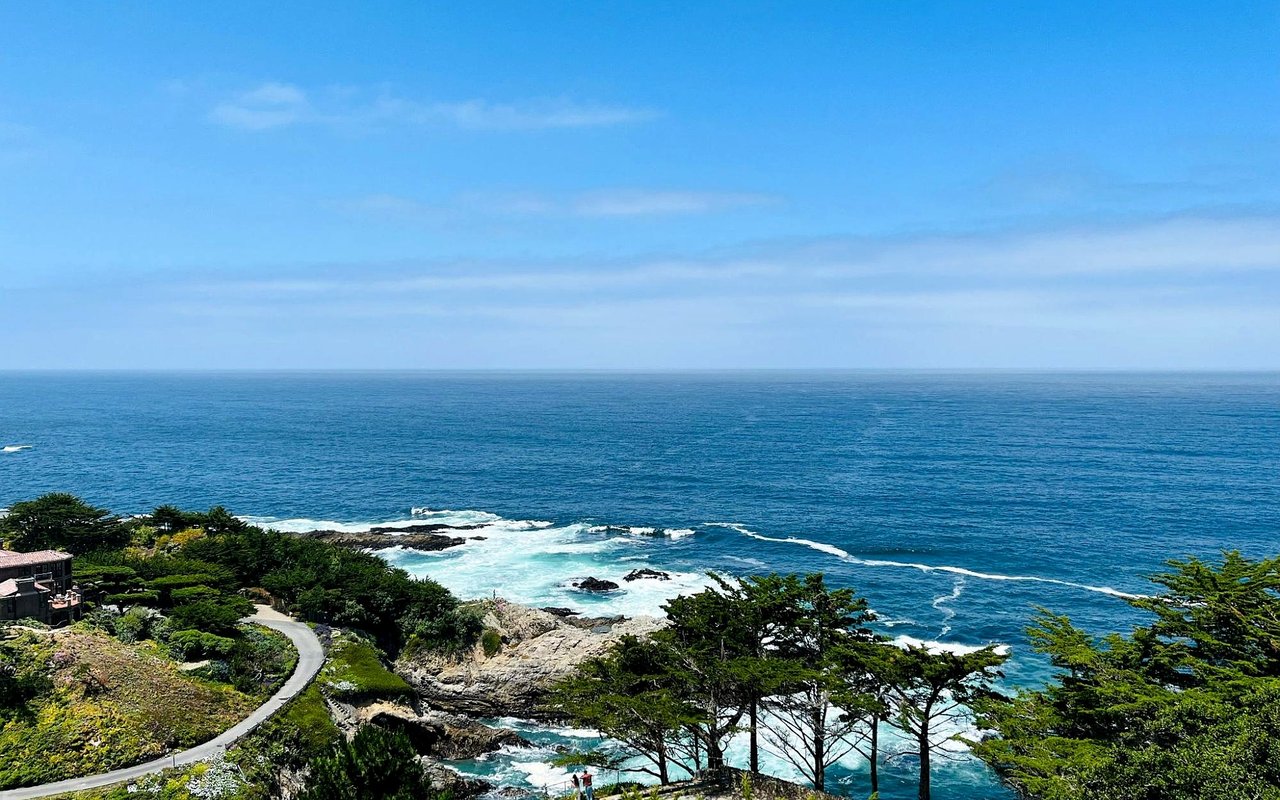
One of the things I love most about living and working in Carmel-by-the-Sea is the particular generosity of its geography. The village itself is extraordinary, and I never take that for granted, but what surrounds it within an hour or two in any direction is equally remarkable in ways that make every weekend here feel like an embarrassment of riches. To the south, Big Sur begins almost immediately and unfolds into one of the most dramatic coastal landscapes on earth.
To the north, the historic city of Monterey offers a waterfront, an aquarium, and a cultural depth that rewards repeated visits. Inland, Carmel Valley and the Santa Lucia Highlands wine country provide a completely different landscape and pace. And further afield, destinations like Santa Cruz, Pinnacles National Park, and the missions of the Central Coast add layers of variety that keep life in this corner of California feeling perpetually fresh and full of possibility.
As a real estate agent who has spent years exploring this region in every direction and every season, I want to share the day trips from Carmel that I recommend most enthusiastically and most consistently to the buyers, residents, and visitors who ask me where to go beyond the village. Each of these destinations is accessible as a comfortable day trip, and each one adds something to the understanding of this region that the village itself, for all its beauty, cannot provide alone.
Key Takeaways
- Big Sur begins less than ten miles south of Carmel along Highway 1 and offers some of the most dramatic coastal scenery in the world, including Bixby Bridge, Andrew Molera State Park, and Pfeiffer Big Sur State Park
- Monterey is approximately ten miles north of Carmel and offers the Monterey Bay Aquarium, Cannery Row, Old Fisherman's Wharf, and the historic Path of History through the city's remarkably preserved adobe district
- Carmel Valley Village, twelve miles inland along Carmel Valley Road, provides a sunnier and more relaxed agricultural landscape with exceptional wineries, farm-to-table dining, and access to the Santa Lucia Highlands wine country
- Pacific Grove, adjacent to Monterey on the northern tip of the Peninsula, is one of the most beautifully preserved Victorian communities in California and offers exceptional tide pooling, the Monarch Butterfly Sanctuary, and Asilomar State Beach
- Pinnacles National Park, approximately an hour and fifteen minutes east of Carmel, offers a hiking and rock climbing destination of genuine distinction in a volcanic landscape unlike anything else in the region
- Santa Cruz, roughly an hour north of Carmel along Highway 1 or Highway 17, provides a university town energy, a celebrated surf culture, and a boardwalk that has been a California institution since 1907
Big Sur: The World Begins Again South of Carmel
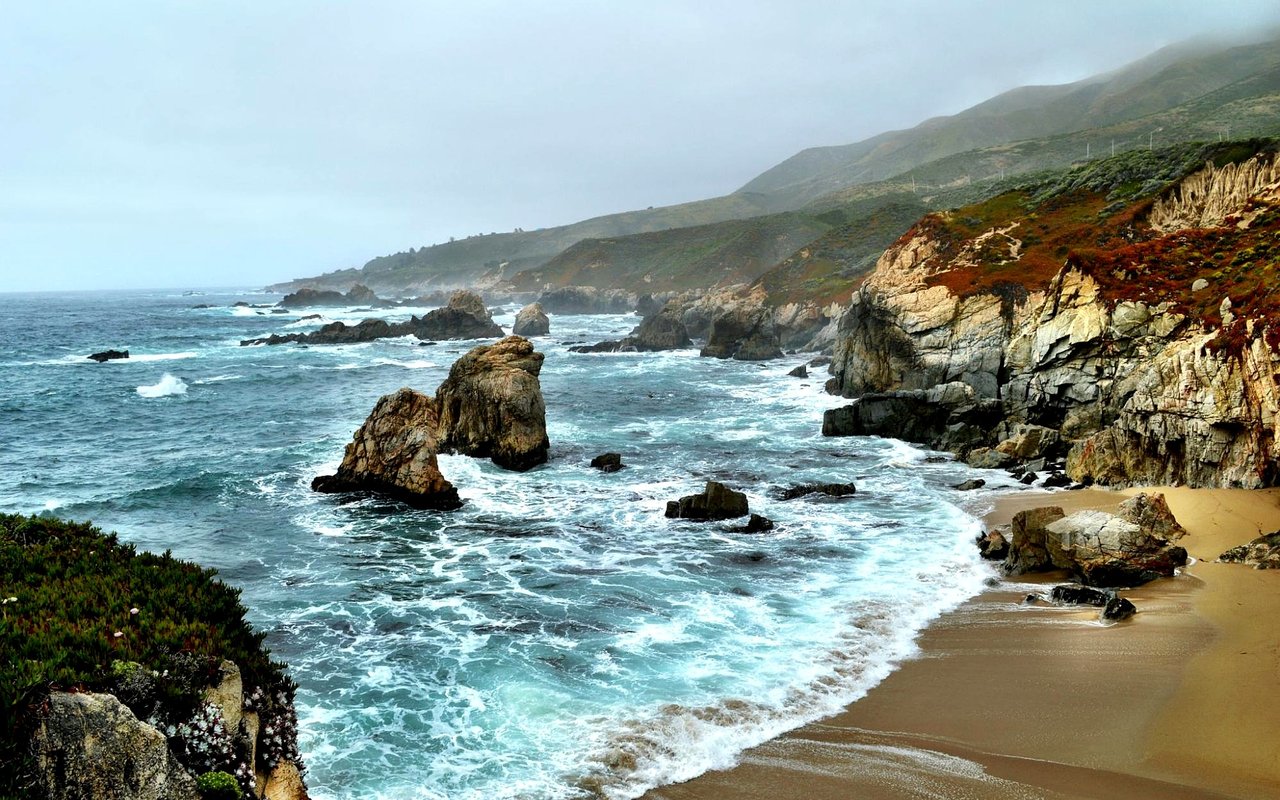
I want to be honest about what Big Sur is before I describe what to do there, because I think it is one of those places that is genuinely difficult to prepare people for. Big Sur is not a town. It is not a resort area or a defined destination in the conventional sense. It is a sixty-mile stretch of coastline between Carmel and San Simeon where the Santa Lucia Mountains meet the Pacific Ocean with a geological drama that has no real equivalent anywhere in the continental United States.
The cliffs here drop hundreds of feet to the water below. The redwood canyons run deep into the mountains behind the coast. The light does things here that painters have been attempting to capture for a century without fully succeeding.
I have driven south from Carmel on Highway 1 more times than I can count, and it has never once felt routine. The road narrows and curves, the ocean appears and disappears below the cliffs, and the scale of everything around you shifts in a way that recalibrates your sense of what the word beautiful actually means.
The cliffs here drop hundreds of feet to the water below. The redwood canyons run deep into the mountains behind the coast. The light does things here that painters have been attempting to capture for a century without fully succeeding.
I have driven south from Carmel on Highway 1 more times than I can count, and it has never once felt routine. The road narrows and curves, the ocean appears and disappears below the cliffs, and the scale of everything around you shifts in a way that recalibrates your sense of what the word beautiful actually means.
What to Stop For Along the Big Sur Coast
Bixby Bridge is the first major landmark south of Carmel and one of the most photographed structures in California. The bridge spans Bixby Creek Canyon at a height of 260 feet above the canyon floor, and pulling off at the northern overlook to absorb the scale of the view before crossing is something I recommend to every visitor making this drive for the first time. The view south from the overlook, with the bridge in the foreground and the Big Sur coastline curving into the distance, is as close to a perfect landscape composition as anything I have encountered in real life.
Garrapata State Park, approximately seven miles south of Carmel, offers coastal bluff trail access and small beach coves that provide the first genuine Big Sur wilderness experience available to day trippers from Carmel. I recommend stopping here on the way south rather than on the return, when energy and daylight are both more plentiful.
Andrew Molera State Park sits approximately twenty-two miles south of Carmel at the mouth of the Big Sur River and offers the most accessible and varied day hiking experience in the Big Sur corridor. The Beach Trail leads through riparian forest along the river to a wild and beautiful Pacific beach that sees far fewer visitors than the more heavily trafficked parks further south. The Ridge Trail climbs steeply from the valley floor to open grassland views over the coast that are among the finest available anywhere along this stretch of highway.
Pfeiffer Big Sur State Park, the most visited park in the Big Sur region, sits approximately twenty-six miles south of Carmel in a redwood canyon that provides a complete contrast to the open coastal character of everything north of it. The redwood groves here are not the towering cathedral forests of the Northern California coast, but they are beautiful and deeply quiet in ways that the exposed coastal trails cannot replicate, and the combination of the river, the forest, and the mountain terrain creates a day hiking environment of genuine richness.
McWay Falls at Julia Pfeiffer Burns State Park, roughly thirty-seven miles south of Carmel, produces one of the most striking images in California coastal photography: an eighty-foot waterfall dropping directly onto a small, perfectly formed beach cove at the base of a sea cliff. The overlook trail is short and accessible, making it one of the most rewarding stops per unit of effort available anywhere on the Big Sur day trip itinerary. I always include it when I am taking people down the coast for the first time.
Garrapata State Park, approximately seven miles south of Carmel, offers coastal bluff trail access and small beach coves that provide the first genuine Big Sur wilderness experience available to day trippers from Carmel. I recommend stopping here on the way south rather than on the return, when energy and daylight are both more plentiful.
Andrew Molera State Park sits approximately twenty-two miles south of Carmel at the mouth of the Big Sur River and offers the most accessible and varied day hiking experience in the Big Sur corridor. The Beach Trail leads through riparian forest along the river to a wild and beautiful Pacific beach that sees far fewer visitors than the more heavily trafficked parks further south. The Ridge Trail climbs steeply from the valley floor to open grassland views over the coast that are among the finest available anywhere along this stretch of highway.
Pfeiffer Big Sur State Park, the most visited park in the Big Sur region, sits approximately twenty-six miles south of Carmel in a redwood canyon that provides a complete contrast to the open coastal character of everything north of it. The redwood groves here are not the towering cathedral forests of the Northern California coast, but they are beautiful and deeply quiet in ways that the exposed coastal trails cannot replicate, and the combination of the river, the forest, and the mountain terrain creates a day hiking environment of genuine richness.
McWay Falls at Julia Pfeiffer Burns State Park, roughly thirty-seven miles south of Carmel, produces one of the most striking images in California coastal photography: an eighty-foot waterfall dropping directly onto a small, perfectly formed beach cove at the base of a sea cliff. The overlook trail is short and accessible, making it one of the most rewarding stops per unit of effort available anywhere on the Big Sur day trip itinerary. I always include it when I am taking people down the coast for the first time.
Monterey: History, Marine Life, and the Waterfront
Monterey sits approximately ten miles north of Carmel along the Peninsula, and I find that its proximity to the village sometimes causes people to underestimate what it offers as a day trip destination. I have been to Monterey dozens of times and I still discover things there that I had not encountered before, which is the quality I most value in any day trip destination.
The Monterey Bay Aquarium on Cannery Row is the obvious starting point and deserves every superlative that has been applied to it. I consider it one of the finest aquariums in the world and one of the most important institutions on the Monterey Peninsula for what it does to connect visitors to the marine ecosystem of Monterey Bay. The kelp forest exhibit, the sea otter program, and the Open Sea tank with its schools of yellowfin tuna and the occasional hammerhead shark circling in the deep blue middle distance are experiences I recommend without reservation to visitors of any age or background.
Cannery Row itself, the historic sardine canning district that John Steinbeck immortalized in his 1945 novel, has evolved considerably from its industrial origins into a waterfront commercial district that mixes tourist-facing businesses with genuine historic character in proportions that vary by block. Walking the length of Cannery Row from the aquarium toward the wharf gives a sense of how dramatically this waterfront has transformed over the past century, and the remnants of the original cannery buildings that remain along the route provide an architectural connection to the Steinbeck era that I find genuinely moving.
Old Fisherman's Wharf, where the fishing boats still moor alongside the tourist restaurants and clam chowder vendors, provides the most accessible waterfront experience in Monterey and a reliable vantage point for harbor seal watching. The seals that haul out on the wharf structures below the pedestrian walkway are accustomed to human presence and provide remarkably close wildlife viewing without any effort or planning required.
The Path of History through downtown Monterey is something I recommend specifically to visitors with an interest in California's Spanish and Mexican colonial heritage. Monterey served as the capital of Alta California under both Spanish and Mexican rule, and the concentration of historic adobe buildings preserved along the Path of History is unlike anything available elsewhere in the state outside of missions.
The Cooper-Molera Adobe, the Casa Soberanes, and the Custom House, the oldest government building in California, are all accessible along this walking route and provide a historical depth that transforms Monterey from a pleasant waterfront town into something considerably more significant.
The Monterey Bay Aquarium on Cannery Row is the obvious starting point and deserves every superlative that has been applied to it. I consider it one of the finest aquariums in the world and one of the most important institutions on the Monterey Peninsula for what it does to connect visitors to the marine ecosystem of Monterey Bay. The kelp forest exhibit, the sea otter program, and the Open Sea tank with its schools of yellowfin tuna and the occasional hammerhead shark circling in the deep blue middle distance are experiences I recommend without reservation to visitors of any age or background.
Cannery Row itself, the historic sardine canning district that John Steinbeck immortalized in his 1945 novel, has evolved considerably from its industrial origins into a waterfront commercial district that mixes tourist-facing businesses with genuine historic character in proportions that vary by block. Walking the length of Cannery Row from the aquarium toward the wharf gives a sense of how dramatically this waterfront has transformed over the past century, and the remnants of the original cannery buildings that remain along the route provide an architectural connection to the Steinbeck era that I find genuinely moving.
Old Fisherman's Wharf, where the fishing boats still moor alongside the tourist restaurants and clam chowder vendors, provides the most accessible waterfront experience in Monterey and a reliable vantage point for harbor seal watching. The seals that haul out on the wharf structures below the pedestrian walkway are accustomed to human presence and provide remarkably close wildlife viewing without any effort or planning required.
The Path of History through downtown Monterey is something I recommend specifically to visitors with an interest in California's Spanish and Mexican colonial heritage. Monterey served as the capital of Alta California under both Spanish and Mexican rule, and the concentration of historic adobe buildings preserved along the Path of History is unlike anything available elsewhere in the state outside of missions.
The Cooper-Molera Adobe, the Casa Soberanes, and the Custom House, the oldest government building in California, are all accessible along this walking route and provide a historical depth that transforms Monterey from a pleasant waterfront town into something considerably more significant.
Pacific Grove: The Butterfly Town
Pacific Grove occupies the northern tip of the Monterey Peninsula immediately adjacent to Monterey, and I think it is one of the most genuinely underappreciated communities on the entire Central Coast. The Victorian architecture that characterizes its residential neighborhoods, the wind-sculpted Monterey pines that line its coastal streets, and the particular quietude of a small city that has maintained its residential character through decades of Peninsula development make Pacific Grove feel like a discovery even for people who have visited the Monterey area many times.
Asilomar State Beach in Pacific Grove offers one of the finest tide pooling environments on the Peninsula within a marine protected area that ensures the ecological health of the intertidal zone. I recommend timing a Pacific Grove visit to arrive at Asilomar during the two hours before low tide, when the maximum extent of the intertidal zone is accessible and the variety of visible marine life is at its most abundant.
The Monarch Butterfly Sanctuary at the eucalyptus grove on Ridge Road is one of those experiences I always feel slightly inadequate describing because the reality of standing beneath trees covered with thousands of hibernating monarch butterflies is so visually extraordinary that any description falls short of it. The monarchs typically arrive in Pacific Grove between late October and early November and remain through February or March, making a winter or early spring day trip from Carmel the ideal timing for this experience.
The coastal recreation trail that runs along the Pacific Grove shoreline from Lover's Point to Asilomar provides one of the finest flat walking or cycling routes on the Peninsula, with consistent ocean views and access to the rocky intertidal areas along the base of the coastal bluffs. I often recommend renting bicycles in Pacific Grove and riding the full length of this trail as an alternative to the driving-based sightseeing that characterizes most Peninsula day trips.
Asilomar State Beach in Pacific Grove offers one of the finest tide pooling environments on the Peninsula within a marine protected area that ensures the ecological health of the intertidal zone. I recommend timing a Pacific Grove visit to arrive at Asilomar during the two hours before low tide, when the maximum extent of the intertidal zone is accessible and the variety of visible marine life is at its most abundant.
The Monarch Butterfly Sanctuary at the eucalyptus grove on Ridge Road is one of those experiences I always feel slightly inadequate describing because the reality of standing beneath trees covered with thousands of hibernating monarch butterflies is so visually extraordinary that any description falls short of it. The monarchs typically arrive in Pacific Grove between late October and early November and remain through February or March, making a winter or early spring day trip from Carmel the ideal timing for this experience.
The coastal recreation trail that runs along the Pacific Grove shoreline from Lover's Point to Asilomar provides one of the finest flat walking or cycling routes on the Peninsula, with consistent ocean views and access to the rocky intertidal areas along the base of the coastal bluffs. I often recommend renting bicycles in Pacific Grove and riding the full length of this trail as an alternative to the driving-based sightseeing that characterizes most Peninsula day trips.
Carmel Valley and the Santa Lucia Highlands
I have written elsewhere about Carmel Valley in detail, but I want to include it here because it represents one of the most immediately accessible and rewarding day trips available from Carmel-by-the-Sea, and one that I think residents and visitors alike sometimes overlook because it does not require the logistical planning that a longer drive demands.
The twelve-mile drive inland along Carmel Valley Road from the village takes you through increasingly warm and golden landscape that feels completely different from the coastal character of everything you left behind. By the time you reach Carmel Valley Village, the temperature has typically risen several degrees, the hillsides are rolling and agricultural rather than dramatic and coastal, and the pace of life has shifted in ways that feel like a genuine change of scene rather than a simple extension of the same environment.
Bernardus Winery and Folktale Winery are both worth visiting for the quality of their Carmel Valley and Santa Lucia Highlands expressions, and the Carmel Valley Village itself rewards a slow afternoon of exploration through its local shops, tasting rooms, and casual dining establishments. The Running Iron Restaurant captures the valley's ranching heritage in a way that provides a wonderful contrast to the refined elegance of the Carmel village dining scene.
The twelve-mile drive inland along Carmel Valley Road from the village takes you through increasingly warm and golden landscape that feels completely different from the coastal character of everything you left behind. By the time you reach Carmel Valley Village, the temperature has typically risen several degrees, the hillsides are rolling and agricultural rather than dramatic and coastal, and the pace of life has shifted in ways that feel like a genuine change of scene rather than a simple extension of the same environment.
Bernardus Winery and Folktale Winery are both worth visiting for the quality of their Carmel Valley and Santa Lucia Highlands expressions, and the Carmel Valley Village itself rewards a slow afternoon of exploration through its local shops, tasting rooms, and casual dining establishments. The Running Iron Restaurant captures the valley's ranching heritage in a way that provides a wonderful contrast to the refined elegance of the Carmel village dining scene.
Pinnacles National Park: A Volcanic Landscape Unlike Any Other
Pinnacles National Park sits approximately seventy-five miles east of Carmel, roughly an hour and fifteen minutes by car through the Salinas Valley and into the Gabilan Mountains, and it represents one of the most dramatically different landscape experiences available as a day trip from the village. The park preserves the remnants of an ancient volcanic field whose erosion over millions of years has produced a landscape of towering rock spires, boulder-choked canyon talus caves, and chaparral-covered hillsides that feel genuinely otherworldly.
I recommend Pinnacles specifically to hikers and rock climbing enthusiasts, as the park's trail system provides access to the most spectacular geological features in ways that are genuinely challenging and rewarding. The Bear Gulch Cave and Reservoir loop is among my favorite day hikes available within a reasonable drive of Carmel, combining a talus cave passage with views from the high chaparral above the cave system that are entirely unlike anything available along the coast.
Pinnacles is also one of the primary California condor release and monitoring sites in California, and seeing these enormous birds riding the thermal currents above the rock formations is an experience that connects visitors to one of the most significant conservation stories in American wildlife history.
I recommend Pinnacles specifically to hikers and rock climbing enthusiasts, as the park's trail system provides access to the most spectacular geological features in ways that are genuinely challenging and rewarding. The Bear Gulch Cave and Reservoir loop is among my favorite day hikes available within a reasonable drive of Carmel, combining a talus cave passage with views from the high chaparral above the cave system that are entirely unlike anything available along the coast.
Pinnacles is also one of the primary California condor release and monitoring sites in California, and seeing these enormous birds riding the thermal currents above the rock formations is an experience that connects visitors to one of the most significant conservation stories in American wildlife history.
Santa Cruz: University Town and Surf Culture
Santa Cruz sits approximately an hour north of Carmel, accessible either along the scenic but slower Highway 1 or through the mountains via Highway 17 from the Salinas Valley. I find that the contrast between the refined luxury of Carmel-by-the-Sea and the relaxed, progressive university town energy of Santa Cruz makes the day trip between them more interesting than the geographic distance alone would suggest.
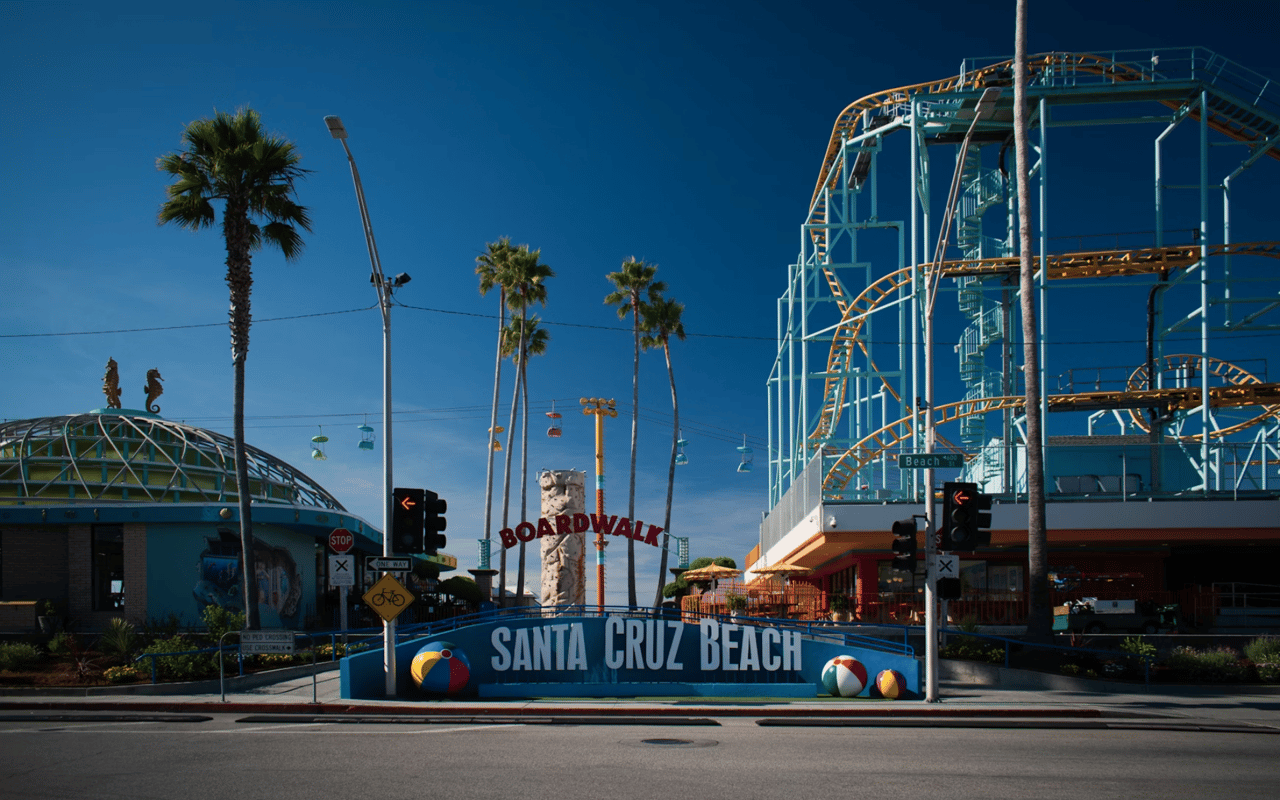
The Santa Cruz Beach Boardwalk, which has been operating continuously since 1907, is the last remaining major seaside amusement park on the West Coast and a genuine California institution that I find more compelling than its boardwalk category might suggest. The Giant Dipper wooden roller coaster, operating since 1924, is a National Historic Landmark, and the combination of the amusement park, the broad sandy beach, and the Monterey Bay backdrop creates an atmosphere that captures something essential about California coastal culture in its most accessible and democratic form.
The Santa Cruz surf culture centered on Steamer Lane, the legendary break at the western end of the boardwalk beach, is one of the oldest and most significant in California, and watching the surfers work the point break from the cliff overlook above is a worthwhile afternoon activity even for visitors with no surfing background or interest. The Santa Cruz Surfing Museum in the Mark Abbott Memorial Lighthouse above Steamer Lane provides historical context for the surfing tradition here that enriches the observation considerably.
Downtown Santa Cruz offers excellent independent dining, a strong bookshop culture anchored by the beloved Bookshop Santa Cruz on Pacific Avenue, and a farmers market scene that reflects the agricultural richness of the Santa Cruz Mountains and Pajaro Valley growing regions. I always recommend building a downtown Santa Cruz visit around the farmers market schedule when timing allows.
The Santa Cruz Beach Boardwalk, which has been operating continuously since 1907, is the last remaining major seaside amusement park on the West Coast and a genuine California institution that I find more compelling than its boardwalk category might suggest. The Giant Dipper wooden roller coaster, operating since 1924, is a National Historic Landmark, and the combination of the amusement park, the broad sandy beach, and the Monterey Bay backdrop creates an atmosphere that captures something essential about California coastal culture in its most accessible and democratic form.
The Santa Cruz surf culture centered on Steamer Lane, the legendary break at the western end of the boardwalk beach, is one of the oldest and most significant in California, and watching the surfers work the point break from the cliff overlook above is a worthwhile afternoon activity even for visitors with no surfing background or interest. The Santa Cruz Surfing Museum in the Mark Abbott Memorial Lighthouse above Steamer Lane provides historical context for the surfing tradition here that enriches the observation considerably.
Downtown Santa Cruz offers excellent independent dining, a strong bookshop culture anchored by the beloved Bookshop Santa Cruz on Pacific Avenue, and a farmers market scene that reflects the agricultural richness of the Santa Cruz Mountains and Pajaro Valley growing regions. I always recommend building a downtown Santa Cruz visit around the farmers market schedule when timing allows.
Planning Your Day Trips From Carmel
I want to offer a few practical observations about day trip planning from Carmel that I have accumulated over years of making these drives in every season and every kind of weather.
Highway 1 south toward Big Sur is subject to closures and delays from storm damage and landslides, particularly in winter and spring following significant rainfall. I always recommend checking Caltrans road condition reports at dot.ca.gov before heading south, as a closure at any point along the Big Sur corridor can significantly alter the scope of what is accessible. Checking conditions has become a reflexive habit for me before any southbound drive, and it has saved me from wasted trips on more than one occasion.
The Point Lobos State Natural Reserve, which sits at the northern gateway to the Big Sur coast just south of Carmel, has a parking reservation system that I strongly recommend using in advance of any visit. The reserve reaches daily capacity quickly on weekends and during summer months, and arriving without a reservation or an early start frequently means parking along Highway 1 and walking in rather than accessing the reserve directly.
For Big Sur day trips specifically, I recommend starting early, packing provisions rather than relying on restaurant access along the route, and building a turnaround point into your plan before you leave. The combination of winding roads, dramatic scenery, and the tendency to stop more often than anticipated means that Big Sur days consistently take longer than the map distances suggest they should.
Highway 1 south toward Big Sur is subject to closures and delays from storm damage and landslides, particularly in winter and spring following significant rainfall. I always recommend checking Caltrans road condition reports at dot.ca.gov before heading south, as a closure at any point along the Big Sur corridor can significantly alter the scope of what is accessible. Checking conditions has become a reflexive habit for me before any southbound drive, and it has saved me from wasted trips on more than one occasion.
The Point Lobos State Natural Reserve, which sits at the northern gateway to the Big Sur coast just south of Carmel, has a parking reservation system that I strongly recommend using in advance of any visit. The reserve reaches daily capacity quickly on weekends and during summer months, and arriving without a reservation or an early start frequently means parking along Highway 1 and walking in rather than accessing the reserve directly.
For Big Sur day trips specifically, I recommend starting early, packing provisions rather than relying on restaurant access along the route, and building a turnaround point into your plan before you leave. The combination of winding roads, dramatic scenery, and the tendency to stop more often than anticipated means that Big Sur days consistently take longer than the map distances suggest they should.
FAQ About Day Trips from Carmel-by-the-Sea
What is the single best day trip from Carmel for a first-time visitor to the region?
I recommend Big Sur without hesitation for anyone making their first visit to this region and wanting the most geographically dramatic experience available within a day trip from Carmel. The drive south on Highway 1 combined with stops at Bixby Bridge, Garrapata State Park, Andrew Molera, and McWay Falls at Julia Pfeiffer Burns State Park creates a day of extraordinary visual and physical experience that I have never seen fail to make a lasting impression.
How long does the drive to Big Sur take from Carmel-by-the-Sea?
The drive time depends entirely on how far south you go and how often you stop, which in Big Sur is very often if you are doing it properly. Bixby Bridge is approximately fifteen minutes south of Carmel. Andrew Molera State Park is approximately thirty-five to forty minutes. McWay Falls at Julia Pfeiffer Burns State Park is approximately an hour. The town of Big Sur, centered around the Big Sur River Inn area, is approximately forty-five minutes. None of these drive times accounts for the inevitable roadside stops, overlook pullouts, and spontaneous pauses that the scenery demands.
Is the Monterey Bay Aquarium worth visiting for adults without children?
Absolutely and emphatically yes. I have visited the Monterey Bay Aquarium many times as an adult without children and found the experience consistently rewarding and often genuinely moving. The aquarium's exhibitions on the kelp forest ecosystem, the Open Sea environment, and the conservation programs for sea otters and other Pacific species are designed with intellectual depth that engages adult visitors as fully as they delight younger ones.
What is the best season for day trips from Carmel-by-the-Sea?
Every season offers something distinct and valuable. Spring brings wildflowers along the Big Sur bluffs and the tail end of gray whale migration. Summer provides the longest days and most reliable road conditions for Big Sur driving. Fall delivers the clearest visibility for coastal views and the beginning of monarch butterfly season in Pacific Grove. Winter offers dramatic storm surf along the Big Sur coast and the peak of monarch butterfly season, and is also the time when I find Pinnacles National Park most comfortable for hiking before the inland summer heat arrives.
How does access to exceptional day trip destinations affect life and real estate in Carmel-by-the-Sea?
Significantly and in ways that I observe directly in conversations with buyers. The ability to live in a village of Carmel's beauty and refinement while having Big Sur, Monterey, Pacific Grove, Carmel Valley wine country, and Pinnacles all accessible as comfortable day trips creates a lifestyle breadth that very few residential locations in California can match. Buyers who prioritize both community quality and outdoor and cultural range consistently find that Carmel-by-the-Sea sits at the center of a geographic opportunity that is genuinely rare, and that understanding contributes meaningfully to the sustained desirability of property here across market cycles.
Ready to Explore All of This From Your Own Carmel Address?
The road south is waiting, and so is everything that lies along it and beyond it. I find that one of the greatest pleasures of life in Carmel-by-the-Sea is the knowledge that on any given morning you can point yourself in any direction and find something extraordinary within an hour's drive. If you are ready to explore what it would mean to make this your home base for a lifetime of days like that, I would love to be part of that conversation.
Browse current listings and connect with Katy Harrison, your trusted local guide to real estate and life in one of California's most extraordinary and geographically generous communities.
Browse current listings and connect with Katy Harrison, your trusted local guide to real estate and life in one of California's most extraordinary and geographically generous communities.