By Katy Harrison
If you want to understand a community at its most authentic, visit its farmers market. Skip the restaurant menus and the curated shop windows for a morning and instead stand at the corner where the growers, the bakers, the cheese makers, and the flower farmers gather with whatever the season has decided to give them that week.
In Carmel-by-the-Sea, that experience is something I look forward to every spring without fail, and it is one of the first things I tell newcomers and prospective buyers about when they ask what daily life here actually feels like.
The Carmel Farmers Market is more than a place to pick up produce. It is a living expression of the agricultural richness that surrounds this village, drawing from the fertile fields of Carmel Valley, the organic farms of the Salinas Valley, the coastal foragers of Big Sur, and the artisan food producers scattered throughout Monterey County. Spring is when it all comes alive with the most intensity, and if you have never experienced it during this season specifically, you are in for something genuinely special.
Why Spring Is the Peak Season at the Carmel Farmers Market
Spring on the Monterey Peninsula is a study in abundance. The fog of late winter begins to lift, the hillsides turn a vivid green, and the farmland surrounding Carmel responds with a generosity that can feel almost overwhelming if you are not used to it. For food lovers, this is the season when the market transforms from a reliable weekly ritual into something closer to a culinary event.
Strawberries from Watsonville and Salinas arrive first, small and intensely sweet in a way that commercially grown berries rarely achieve. Locally grown artichokes follow close behind, a crop that the Monterey County region produces better than virtually anywhere else in the country. Snap peas, English peas, spring onions, radishes, and the first tender heads of butter lettuce begin filling the tables in shades of green so vivid they almost seem backlit.
Spring is also when the flower vendors reach their peak, and the Carmel market becomes visually spectacular in ways that go well beyond what you typically expect from a farmers market. Peonies, ranunculus, sweet peas, and locally grown tulips appear in arrangements that many visitors end up buying before they have even thought about their groceries.
What to Look For and Who to Look For It From
The vendors at the Carmel Farmers Market represent a tight-knit community of growers and producers who take their craft seriously. Many of them have been farming the same land for decades, and the relationships between vendor and customer here tend to run deep. As someone embedded in this community, I have watched those relationships grow over the years and I can tell you that the market rewards curiosity and conversation in equal measure.
Produce Vendors and Specialty Growers
Look for certified organic vegetable growers from the Salinas Valley who specialize in heirloom varieties you simply will not find in any grocery store. Heirloom tomatoes will not be at their peak until late summer, but spring brings a remarkable selection of Asian greens, specialty herbs, edible flowers, and microgreens that are catnip for anyone who takes cooking seriously.
Mushroom vendors are a consistent highlight in the spring market. The forests and hillsides of the Santa Cruz Mountains and the Ventana Wilderness produce extraordinary wild mushrooms, and the specialty cultivators who sell at Carmel bring varieties including maitake, lion's mane, king trumpet, and shiitake that make any home cook's imagination run quickly.
Artisan Bread and Baked Goods
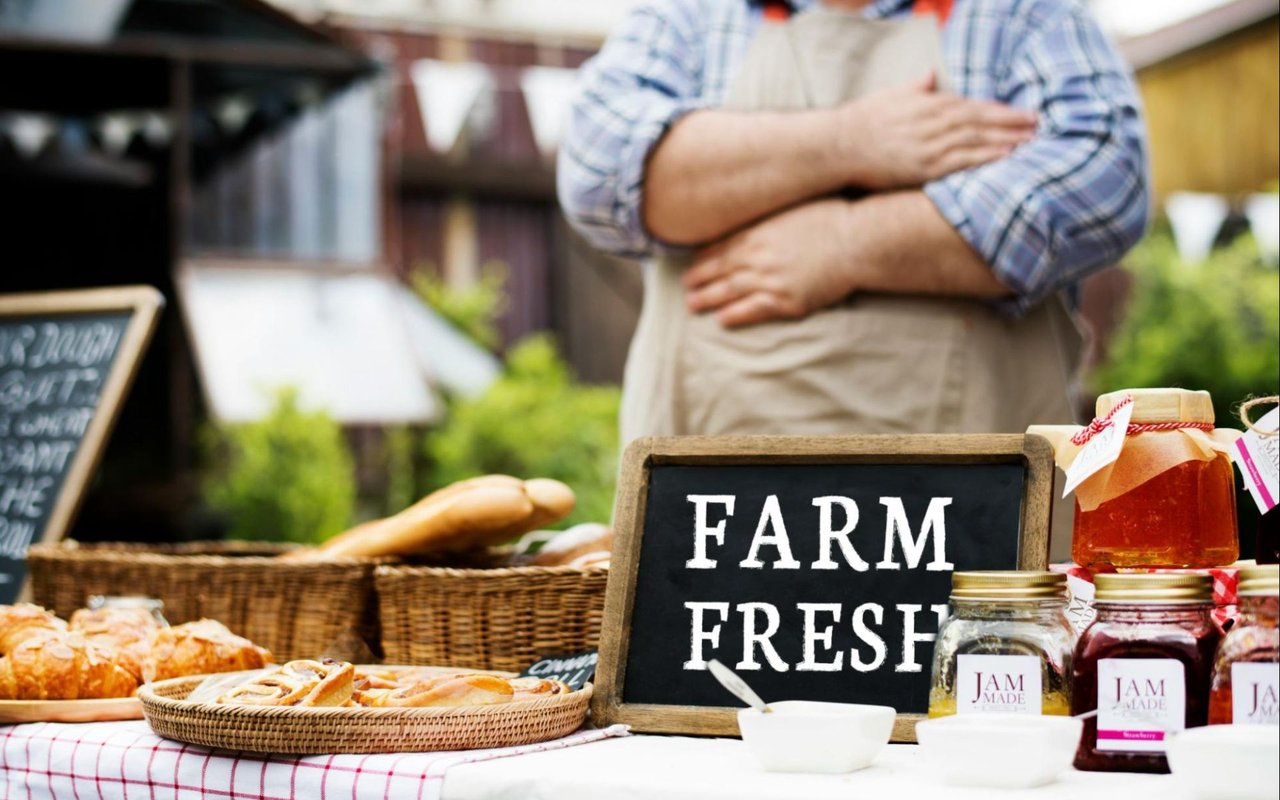
A farmers market without excellent bread is a missed opportunity, and Carmel's market does not miss. Local artisan bakers bring sourdough loaves with crusts that shatter properly, whole grain breads built on long fermentation schedules, and pastries that justify arriving early before the best selections disappear. Spring brings rhubarb tarts, lemon curd croissants, and fruit-studded scones that pair perfectly with the market's freshly brewed coffee vendors operating nearby.
Local Honey and Preserves
The wildflower honey produced by local beekeepers in the spring is one of those things I find myself recommending to every visitor who passes through my open houses. The flavor changes subtly from early spring to late spring as different flowers reach their bloom cycle, and buying honey from a local producer here is as close to tasting the landscape as most people will ever get. Small-batch jams, fruit preserves, and pickled vegetables from local producers round out this category in ways that make excellent gifts and even better pantry staples.
Cheese and Dairy
Monterey County has a deep cheesemaking heritage, and the farmers market reflects that tradition proudly. Look for fresh chevre from local goat dairies, aged jack styles that pay tribute to the region's history, and occasionally fresh ricotta and fromage blanc that disappear within the first hour of the market opening. Pair any of these with the artisan bread vendors and a bunch of spring radishes and you have a lunch that requires nothing else.
Prepared Foods and Ready-to-Eat Options
For those who want to eat their way through the market rather than cook their way home from it, the prepared food vendors offer everything from wood-fired empanadas to hand-rolled tamales to farm-fresh egg sandwiches built on the spot. Spring vegetables often show up in the prepared food offerings in creative ways, and the vendors here tend to be as knowledgeable about their ingredients as any restaurant chef.
Pairing the Market With the Rest of Your Morning
The Carmel Farmers Market fits naturally into a broader morning in the village, and I always recommend building some extra time around it. The market is within easy walking distance of Ocean Avenue, which means you can browse the galleries and boutiques before or after your market visit without needing to move your car.
Carmel Beach is a fifteen-minute walk from the market, and bringing a market picnic down to the sand is one of those simple pleasures that residents here enjoy regularly. A wedge of local cheese, a baguette, some strawberries, and the sound of the Pacific in front of you is a combination that is hard to improve upon.
The coffee shops and breakfast spots along Junipero Avenue and Dolores Street are also natural complements to a market morning. Carmel has a genuinely strong coffee culture, and the local cafes take their sourcing as seriously as the market vendors take theirs.
How the Carmel Food Culture Reflects the Broader Lifestyle
I talk to a lot of buyers who are weighing lifestyle factors alongside the practical details of purchasing a home, and the food culture in Carmel-by-the-Sea consistently comes up as something that matters deeply to the people who are most drawn to this community. There is a kind of intentionality here around how people eat, where their food comes from, and how meals fit into the rhythm of daily life that feels different from most places I have encountered.
That intentionality is not accidental. It grows directly out of the agricultural heritage of the Monterey Peninsula region, the proximity to world-class farmland, and a community that has long valued quality, craft, and connection to the natural environment. When people ask me what living in Carmel actually feels like day to day, the farmers market is one of the most honest answers I can give them.
FAQ About the Carmel Farmers Market
When and where does the Carmel Farmers Market take place?
The market is held weekly and is centrally located to make it walkable from most areas of the village. Specific days and hours can shift seasonally, so I always recommend confirming current details through the Carmel-by-the-Sea official community resources or the market's own listings before planning your visit.
Is the Carmel Farmers Market open year-round?
Yes, the market operates throughout the year, though spring and summer bring the widest variety of produce and the highest vendor attendance. Even in the quieter winter months the market maintains a loyal core of vendors and a devoted local following.
What should I bring to the market?
A reusable tote or two, cash for vendors who may not accept cards, and an appetite. Arriving early gives you the best selection, particularly for bread, pastries, mushrooms, and fresh cheeses which tend to sell out quickly.
Can visiting the farmers market give me a sense of what living in Carmel is like?
Genuinely, yes. The market captures the community character of Carmel better than almost any other single experience. The vendors know their regulars by name, the pace is unhurried, and the quality of everything on offer reflects the standards that define life in this village.
Does Carmel's food culture influence property values?
It contributes to the overall lifestyle desirability of the area, which absolutely supports long-term property values. Buyers who are drawn to Carmel tend to be people who care about quality of life in a holistic sense, and access to exceptional local food culture is part of what makes the community as sought-after as it is.
Ready to Experience This Every Weekend From Your Own Carmel Home?
The farmers market is one Saturday morning. Living in Carmel-by-the-Sea means it becomes your Saturday morning, every week, in every season. If you are ready to explore what ownership in this community could look like for you, I would love to start that conversation. Visit katyharrisonrealty.com to browse current listings and connect with Katy Harrison, your local guide to all that Carmel-by-the-Sea has to offer.