By Katy Harrison
Every season in Carmel-by-the-Sea has its own particular character, and I have had the privilege of experiencing all of them deeply over the years I have spent living and working in this community. Winter brings a dramatic, moody stillness that has its own beauty. Summer draws the crowds who come for the beach and the galleries and the restaurant terraces. Fall delivers that warm, golden clarity that photographers and wine lovers chase across the entire Monterey Peninsula.
But spring, genuinely and without hesitation, is the season I recommend most enthusiastically to anyone asking when to come.
Spring in Carmel is when everything the village does best happens simultaneously. The gardens reach their peak. The wildlife along the coast is at its most active. The trails are green and fragrant. The restaurants are firing on all cylinders after the slower winter months. The beaches are accessible without the summer crowds that make parking and solitude harder to come by.
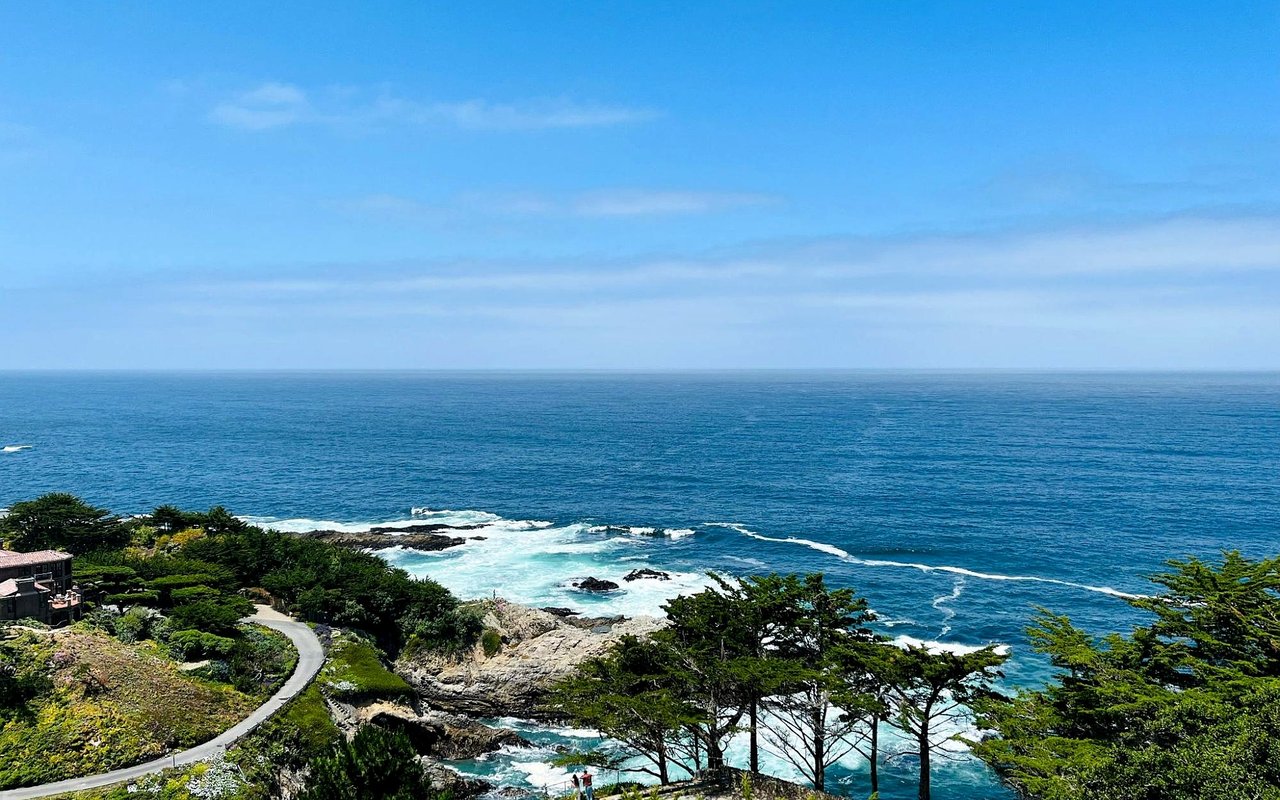
And the light, that particular coastal spring light over Carmel Bay, is something that every painter, photographer, and architect who has ever fallen in love with this place will tell you is completely irreplaceable.
If you are planning a spring trip to Carmel-by-the-Sea and want to make the most of every hour, this guide is for you. And if somewhere along the way you find yourself wondering what it would feel like to experience all of this as a resident rather than a visitor, I am happy to help with that too.
When to Come: Understanding the Spring Window
Spring in Carmel runs broadly from late February through May, but each month within that window has its own distinct personality worth understanding before you book.
Late February and March bring the earliest wildflowers to the coastal bluffs and hillsides, and this is also peak gray whale migration season along the Pacific flyway. The weather is cool and occasionally wet, but the storms that pass through tend to be brief and dramatic, and the clarity that follows a winter rain on the Monterey Peninsula is extraordinary. If whale watching from the headlands at Point Lobos or Garrapata is on your list, late February through March is your best window.
April is many people's favorite month in Carmel, and it is easy to understand why. The gardens along the village's famous cottage lanes are in full bloom. Temperatures are mild and comfortable for walking, typically ranging from the low fifties at night to the mid-sixties during the day. The fog that characterizes summer mornings has not yet arrived with any consistency, which means cleaner views and more reliable afternoon sunshine. April also tends to fall before the heaviest summer visitor traffic, which means shorter waits at restaurants, easier access to Point Lobos, and a more relaxed pace throughout the village.
May extends the best of April's conditions and adds the full arrival of spring produce at the farmers market, longer daylight hours, and the beginning of the outdoor event season that makes Carmel's cultural calendar so rich.
The Carmel Art Festival typically takes place in May and draws artists and collectors from across the country to the village's downtown parks and galleries, making it one of the most vibrant weekends of the entire year.
Where to Stay: Accommodations That Match the Carmel Experience
Choosing where to stay in Carmel-by-the-Sea is one of the most important decisions you will make in planning your trip, because the right property sets the tone for everything that follows. Carmel has no chain hotels within the village itself, which is by design and entirely to the benefit of the visitor experience. What it does have is an exceptional collection of boutique inns, historic bed and breakfasts, and intimate luxury properties that feel genuinely rooted in the character of the place.
For couples seeking a romantic and elevated experience, L'Auberge Carmel on Monte Verde Street offers European-style luxury with impeccable service and proximity to everything the village has to offer. The property's restaurant, Aubergine, is widely considered one of the finest dining experiences on the entire Central Coast, which means you can walk from dinner to your room without ever leaving the building on nights when that feels like exactly the right choice.
Cypress Inn, co-owned by the late Doris Day, brings a warmth and old-world California glamour that longtime Carmel visitors return to year after year. It is pet-friendly, centrally located, and the bar is one of the village's genuine social gathering points on weekend evenings.
For families or those seeking more residential-style accommodations, vacation rental properties throughout the village offer the experience of living in Carmel's iconic cottage architecture for a few days, complete with garden courtyards, stone fireplaces, and the particular quiet that comes from being in a neighborhood that has genuinely resisted commercial development at every turn.
What to Do: A Day-by-Day Spring Itinerary
Day One: The Village and the Beach
Begin your first morning at the Carmel Farmers Market, where spring produce, artisan bread, local honey, and specialty mushrooms from the surrounding region create an experience that is as much cultural immersion as grocery run. Pick up provisions for a beach picnic and walk the fifteen minutes down to Carmel Beach, where the white sand and cypress-lined bluffs provide a backdrop that has been drawing artists and writers to this village for over a century.
Spend the afternoon wandering Ocean Avenue and the surrounding blocks, exploring the galleries, the independent bookshops, and the hidden garden courtyards that make Carmel architecturally unlike anywhere else in California. As evening approaches, secure a table at one of the village's exceptional restaurants. Aubergine for a special occasion tasting menu, Cantinetta Luca for warm Italian comfort, or Vesuvio for terrace dining with views across the village rooftops.
Day Two: Point Lobos and the Coastal Trails
Reserve your second day for Point Lobos State Natural Reserve, which sits just a few miles south of the village along Highway 1 and represents one of the greatest concentrations of marine and coastal biodiversity on the Pacific Coast. In spring, the reserve is alive with activity.
Harbor seals haul out on the rocks at Main Beach. Sea otters wrap themselves in kelp in the protected coves. Migrating shorebirds move through the cypress groves. And the wildflowers along the headland trails reach a peak of color that justifies every photograph you will inevitably take.
Allow at least three hours for Point Lobos and more if you are inclined to sit quietly and simply absorb what is around you. The reserve rewards patience in a way that few natural places do.
Day Three: Carmel Valley and Wine Country
Carmel Valley Village sits approximately twelve miles inland from the coast, and on a spring day when the hillsides are green and the wildflowers are running along the roadsides, the drive alone is worth the effort. The valley is warmer and sunnier than the coast, and it houses a collection of small wineries, tasting rooms, and farm-to-table restaurants that have been drawing serious food and wine travelers for decades.
Bernardus Winery produces Pinot Noir and Chardonnay of genuine distinction from estate vineyards in the valley. Folktale Winery brings a more festive, event-driven energy with its sprawling grounds and rotating programming that often includes live music and food pairings on spring weekends.
The Running Iron Restaurant in Carmel Valley Village serves honest, unpretentious food in a setting that captures the valley's ranching heritage in a way that provides a wonderful contrast to the refined elegance of the village.
Day Four: Big Sur and Highway 1
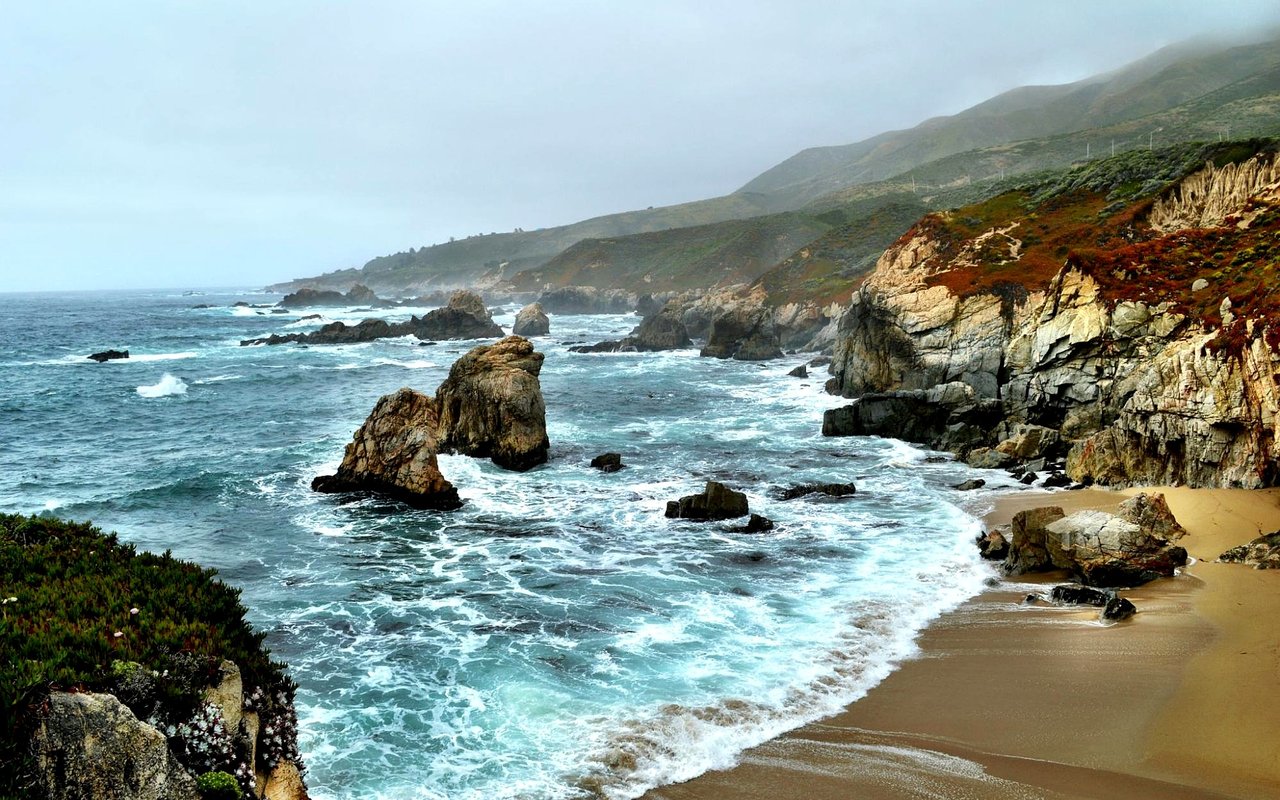
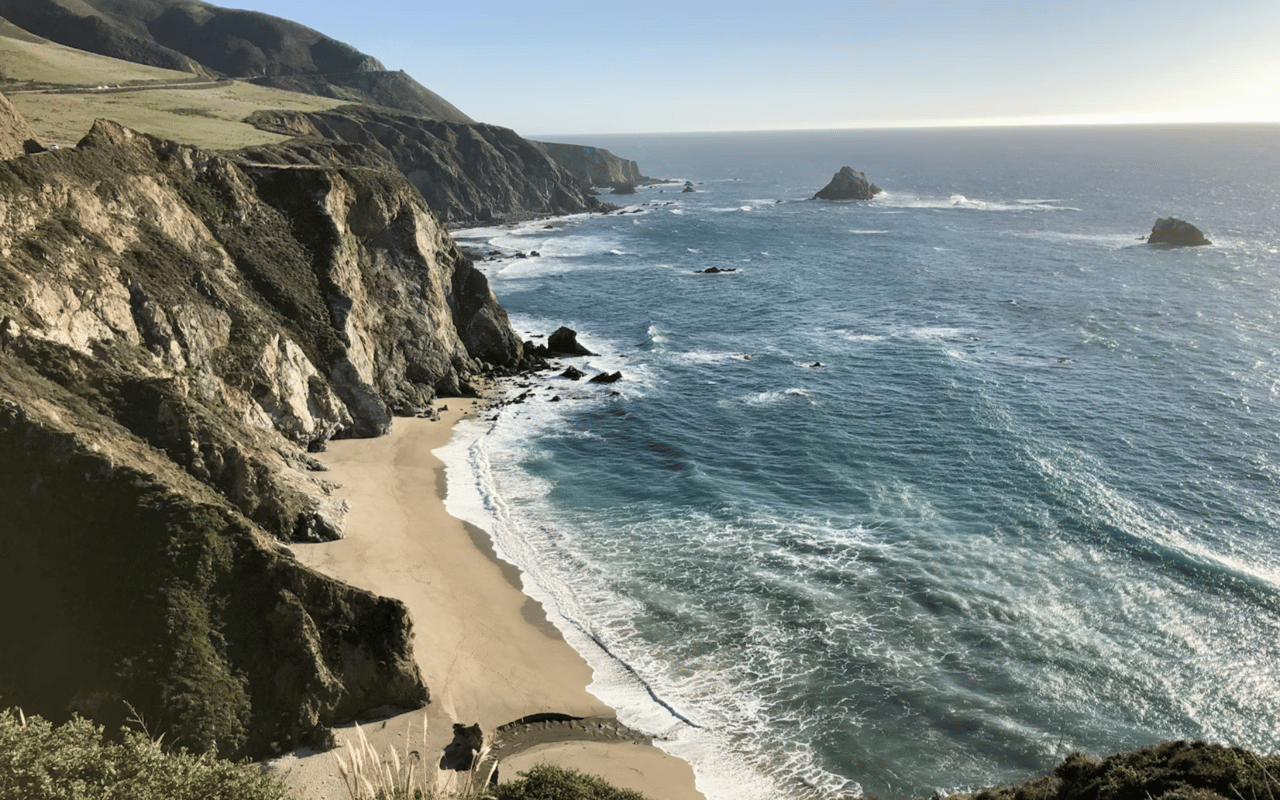
No spring visit to Carmel is complete without at least one drive south along Highway 1 into Big Sur. The route from Carmel to Big Sur is consistently ranked among the most scenic drives in the world, and in spring, when the hillsides above the ocean are deeply green and the wildflowers cascade down toward the cliffs, it reaches a level of visual drama that is genuinely difficult to describe to someone who has not experienced it.
Stop at Garrapata State Park for a short coastal bluff hike. Pull off at Bixby Bridge and stand on the walkway to feel the scale of the canyon below you. Continue to Andrew Molera State Park if you want to access the beach and the river mouth where the Big Sur River meets the sea. Each stop adds a layer to what is already one of the most remarkable drives in California.
Where to Eat: Spring Dining in Carmel-by-the-Sea
The restaurant scene in Carmel-by-the-Sea is genuinely exceptional for a village of its size, and spring is when it operates at full energy after the quieter winter months. Beyond the restaurants already mentioned, a few additional spots deserve specific attention for spring visitors.
Cultura Comida y Bebida on Dolores Street brings a sophisticated Mexican culinary perspective to Carmel that feels both unexpected and completely at home in the village's creative dining landscape. The mezcal selection is outstanding and the seasonal menu changes regularly to reflect what is available locally.
The Bench at Quail Lodge, just outside the village proper, offers a beautiful terrace setting with views across the lodge's golf course and lagoon that feels especially welcoming in the longer daylight hours of spring. The wine list leans heavily into Carmel Valley and Santa Lucia Highlands producers, which is exactly where your attention should be when dining in this region.
For a casual lunch between activities, Carmel Belle on San Carlos Street is a local institution offering seasonal salads, house-made soups, and sandwiches built on locally sourced ingredients that reflect the best of what the surrounding farmland is producing at any given time of year.
FAQ About Visiting Carmel-by-the-Sea in Spring
How far is Carmel-by-the-Sea from San Francisco and Los Angeles?
Carmel sits approximately two hours south of San Francisco via Highway 101 and Highway 1, making it an easy weekend drive from the Bay Area. From Los Angeles, the drive north along the coast is approximately five to six hours depending on traffic, and many visitors choose to fly into Monterey Regional Airport, which sits just a few miles from the village.
Is spring weather in Carmel reliable enough for outdoor plans?
Generally yes, though the Central Coast is always capable of surprise. April and May tend to be the most consistently pleasant months for outdoor activities. Layering is always wise as temperatures can shift quickly between the coast and inland areas, and morning fog, when it appears, typically burns off by midday.
How crowded does Carmel get in spring compared to summer?
Meaningfully less crowded than summer, which is one of the most compelling reasons to choose spring for your visit. Point Lobos is easier to access, restaurant reservations are more available, and the village has a more relaxed, unhurried quality that allows you to experience its character more authentically.
Are there events and festivals worth planning around in spring?
The Carmel Art Festival in May is one of the most beloved annual events in the village and worth building a trip around if you have any interest in art, outdoor sculpture, or simply experiencing Carmel at its most culturally vibrant. The Pebble Beach Food and Wine festival, typically held in April, draws world-class chefs and wine producers to the Peninsula and is another excellent anchor for a spring visit.
Can a spring visit to Carmel lead to thinking seriously about buying property here?
More often than you might expect. I have worked with numerous buyers who first visited Carmel as tourists and found themselves returning repeatedly until the idea of ownership stopped feeling like a distant fantasy and started feeling like the obvious next step. Spring visits in particular tend to accelerate that process because the village is at its most compelling and livable during this season.
Ready to Make Carmel-by-the-Sea More Than a Destination?
A spring visit to Carmel has a way of changing your relationship with the concept of home. If you find yourself walking these streets, sitting on this beach, or standing at a Point Lobos overlook and thinking that you would like to feel this way not just on vacation but every day, I would genuinely love to be part of that conversation.
Visit katyharrisonrealty.com to explore current properties in Carmel-by-the-Sea and connect with me, Katy Harrison, your trusted local guide to one of California's most extraordinary communities.