By Katy Harrison
Every so often someone asks me what they should do on their first visit to Carmel-by-the-Sea, and I find myself pausing before answering because the honest response is that the village is so layered, so genuinely rich with things to experience, that the challenge is never finding enough to do.
The challenge is editing. Carmel rewards the visitor who slows down, who resists the urge to check boxes and instead allows the place to reveal itself at its own unhurried pace. But having a thoughtful framework for a first visit makes all the difference between a pleasant trip and one that leaves you rearranging your entire sense of what a community can be.
I have spent years living and working in Carmel-by-the-Sea, guiding people through its neighborhoods and property market, watching first-time visitors fall completely under its spell. I know which experiences tend to land most deeply, which restaurants justify the reservation effort, and which moments of spontaneous wandering produce the discoveries that people talk about for years afterward.
This itinerary is built on all of that accumulated knowledge, and it is designed to give you a first visit that feels both comprehensive and genuinely unhurried.
Friday Evening: Arrive, Settle In, and Let the Village Welcome You
Arriving in Carmel-by-the-Sea
Plan to arrive in Carmel by late afternoon on Friday if your schedule allows. The drive into the village from Highway 1, whether you are coming from the north through Monterey or from the south through Big Sur, offers its own opening statement about the kind of place you are entering. There are no billboards along this stretch of California coast. No franchise signage. No visual noise of the kind that marks the approach to almost every other destination in the state. Just the Pacific, the cypress trees, and the slow narrowing of the road into something that feels deliberately intimate.
Check into your accommodations and give yourself thirty minutes to simply be in the space before venturing out. If you are staying at one of the village's boutique inns or historic bed and breakfasts, take a moment with the garden, the architectural details, and the particular quiet that Carmel evenings offer even in the heart of the village.
Friday Dinner: Your First Carmel Table
For a first Friday dinner in Carmel, I consistently recommend making a reservation at Aubergine at L'Auberge Carmel. The tasting menu format invites you to settle in for the evening rather than rush through a meal, and the kitchen's approach to local and seasonal ingredients from the Monterey Peninsula region introduces you immediately to the quality of what this community has access to. It is a restaurant that earns its reputation every service, and the experience of walking back through the village afterward, under the cypress canopy with the sound of the ocean just a few blocks away, is a perfect opening note for the weekend ahead.
If the tasting menu format feels like too much for a first evening, Cantinetta Luca on Dolores Street offers a warmer, more casual Italian experience without sacrificing any of the culinary quality that defines dining in Carmel. The handmade pasta and the carefully selected wine list make it one of the village's most consistently satisfying options for a relaxed weeknight dinner.
After dinner, take a slow walk along Ocean Avenue toward Carmel Beach. The village at night, with its cottage windows glowing and the salt air coming off the water, is a version of Carmel that photographs cannot capture. Let that be your first impression of what living here might actually feel like.
Saturday Morning: The Market, the Beach, and the Village
Start at the Carmel Farmers Market
Saturday morning in Carmel begins at the farmers market, and I recommend arriving early enough to find the best selection before the most popular vendors sell out. Spring and summer markets bring an extraordinary range of locally grown produce, artisan bread, specialty mushrooms, fresh flowers, local honey, and prepared foods from producers rooted in the Carmel Valley and Salinas Valley agricultural regions.
This is not simply a place to buy food. It is a window into the community itself. The vendors here have been growing and producing in this region for years, sometimes for generations, and the conversations you have at a farmers market stall reveal more about the character of a place than most guidebooks manage in an entire chapter. Pick up provisions for a beach picnic later in the morning and let yourself be guided by whatever looks most extraordinary that particular week.
Carmel Beach: The Heart of the Village
From the farmers market, make your way down to Carmel Beach. Allow yourself at least two hours here because the beach demands it. The white sand, the cypress-crowned bluffs, the completely uncommercialized shoreline, and the views across Carmel Bay create an environment so visually compelling that time passes differently here than it does almost anywhere else.
Walk the full length of the beach at low tide if conditions allow. Sit near the water and watch the way the light moves across the surface. Bring your farmers market provisions and eat your picnic on the sand with the Pacific in front of you. If you have a dog with you, Carmel Beach is one of the most celebrated off-leash beach experiences on the entire California coast, and the community of dog owners you encounter here reflects the warmth and friendliness that defines this village at street level.
Walk the full length of the beach at low tide if conditions allow. Sit near the water and watch the way the light moves across the surface. Bring your farmers market provisions and eat your picnic on the sand with the Pacific in front of you. If you have a dog with you, Carmel Beach is one of the most celebrated off-leash beach experiences on the entire California coast, and the community of dog owners you encounter here reflects the warmth and friendliness that defines this village at street level.
Ocean Avenue and the Village Galleries
The afternoon of your first Saturday belongs to the village itself. Begin at the top of Ocean Avenue, where it meets Highway 1, and walk the gentle downhill slope toward the beach, exploring the shops, galleries, and hidden courtyards that line both sides of the street and the blocks surrounding it.
Carmel has been an artists' colony since the early twentieth century, and that heritage is visible and alive throughout the village. The gallery scene here is genuine and deep, representing painters, sculptors, photographers, and ceramic artists working in traditions that connect to Carmel's long relationship with the visual arts.
Even if you are not a committed art buyer, walking through the galleries is one of the most pleasurable ways to spend an afternoon in the village and one of the best ways to understand its particular cultural identity.
The architecture of Carmel rewards close attention as you walk. The storybook cottages, the stone garden walls, the hand-carved wooden doors, the moss-covered rooflines, and the complete absence of street addresses, which the village famously dispensed with decades ago, combine to create an environment that feels genuinely unlike any other place in California.
Saturday Afternoon: Point Lobos and the Coast
Point Lobos State Natural Reserve
No first visit to Carmel is complete without dedicating a significant portion of Saturday afternoon to Point Lobos State Natural Reserve, located just a few miles south of the village along Highway 1. Arrive by early afternoon to give yourself enough time to cover the North Shore Trail, the South Shore Trail, or both, depending on your energy level and how deeply you want to explore.
Point Lobos is the kind of natural environment that recalibrates your sense of what the word beautiful actually means. The rocky headlands, the twisted cypress groves, the emerald and turquoise water in the protected coves, the harbor seals on the offshore rocks, the sea otters drifting in the kelp beds, and the sheer geological drama of the coastline combine to produce something that feels less like a state park and more like a curated natural masterpiece.
The reserve's trails are well-maintained and clearly marked, making navigation straightforward even for first-time visitors. Parking reservations are strongly recommended and can be made through the California State Parks system. Alternatively, parking along Highway 1 outside the reserve entrance and walking in is a reliable option that most regular visitors use without issue.
Saturday Evening: Sunset and Dinner
From Point Lobos, return to Carmel in time to catch the sunset from Scenic Road or Carmel Beach. The drive back up the coast as the light begins its afternoon shift is itself a pleasure worth lingering in, and arriving at the beach with thirty to forty-five minutes before sunset gives you time to find your preferred position along the bluff or the sand before the sky begins its performance.
For Saturday dinner, I recommend Cultura Comida y Bebida on Dolores Street, which brings a sophisticated and seasonal Mexican culinary perspective to the village that feels both unexpected and completely at home in Carmel's diverse dining landscape. The mezcal program is outstanding, the service is warm and knowledgeable, and the seasonal menu changes regularly to reflect the best of what the surrounding region is producing. Reserve in advance as the restaurant fills quickly on Saturday evenings.
Alternatively, Vesuvio on Junipero Avenue offers a beautiful terrace setting with views across the village rooftops that feels especially magical on a warm spring or summer evening. The wine list leans toward Italian and California producers, and the menu balances refinement with the kind of honest ingredient-driven cooking that the best Carmel restaurants consistently deliver.
Sunday Morning: Carmel Valley and the Inland Landscape
Exploring Carmel Valley Village
Sunday morning is the moment of the weekend when many first-time visitors make an unexpected discovery about the Carmel area. The village itself is the destination that draws people here, but the inland landscape of Carmel Valley, approximately twelve miles east along Carmel Valley Road, adds a completely different dimension to the experience of this region.
Carmel Valley Village is warmer, sunnier, and more relaxed in character than the coast, and on a Sunday morning in spring it offers a deeply pleasurable contrast to the ocean-facing intensity of the previous day. The village has its own small collection of cafes, tasting rooms, and locally owned shops that serve a community of ranchers, farmers, winemakers, and longtime residents who have built their lives around the valley's particular agricultural and lifestyle qualities.
Stop for breakfast at one of the valley's casual morning spots before exploring the wineries and tasting rooms that have made Carmel Valley an increasingly recognized appellation within the broader Monterey County wine region. Bernardus Winery and Folktale Winery are both worth visiting for the quality of their Pinot Noir and Chardonnay, and both properties offer beautiful outdoor settings that feel especially welcoming on a clear spring morning.
The Drive Back: 17-Mile Drive Through Pebble Beach
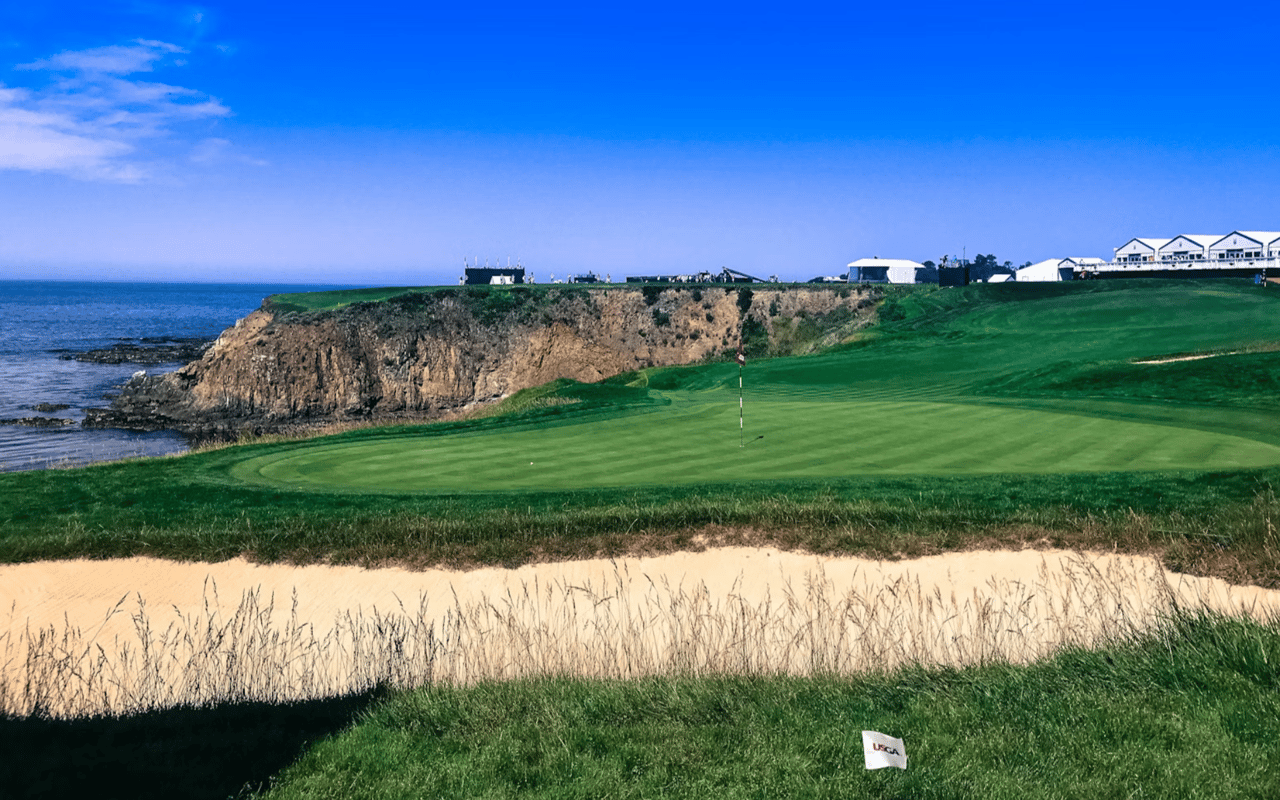
Before heading home on Sunday afternoon, the 17-Mile Drive through Pebble Beach provides a magnificent closing chapter to a first Carmel weekend. The drive winds along the coastline through one of the most dramatically beautiful stretches of developed California coastline, passing Lone Cypress, Stillwater Cove, Fanshell Beach, and the legendary golf courses that have hosted some of the sport's most celebrated championships.
The fee for the 17-Mile Drive is credited toward dining at Pebble Beach restaurants, making a leisurely Sunday lunch at The Lodge at Pebble Beach or the Stillwater Bar and Grill a natural and satisfying complement to the drive itself. By the time you exit through the Carmel gate and point yourself back toward Highway 1, you will have experienced the Monterey Peninsula in a way that feels genuinely complete.
FAQ About Visiting Carmel-by-the-Sea for the First Time
How much time do you need for a first visit to Carmel-by-the-Sea?
A full weekend of two nights and three days provides enough time to experience the essential elements of the village, the beach, Point Lobos, and the surrounding area without feeling rushed. A longer stay of three to four nights allows for a more relaxed pace and the opportunity to explore Carmel Valley, Big Sur, and the broader Peninsula more thoroughly.
Is Carmel-by-the-Sea expensive to visit?
The dining and accommodation options in Carmel span a genuine range from accessible to ultra-luxury, but the most memorable experiences here, the beach, the trails, the village walking, and the coastal scenery, are completely free. Budgeting thoughtfully for two or three excellent meals and comfortable accommodations produces a visit that feels indulgent without requiring extravagance.
What should first-time visitors know about parking in Carmel?
The village is small enough to be entirely walkable once you have parked, and finding a central parking spot early in the day eliminates the need to move your car throughout your visit. Carmel has municipal parking areas off Ocean Avenue that provide a reliable base. For Point Lobos, parking reservations are strongly recommended.
What is the single most important thing to do on a first visit to Carmel?
Walk to Carmel Beach at sunset. Everything else is wonderful and worth doing, but that particular experience, the white sand, the cypress silhouettes, the Pacific light, captures the essence of what Carmel-by-the-Sea is in a way that nothing else quite replicates.
>How does visiting Carmel for the first time typically affect people's thinking about the area as a place to live?
In my experience, profoundly. The village has a rare combination of natural beauty, architectural character, cultural depth, and community warmth that tends to stay with people long after they leave. Many of my clients describe their first visit as the beginning of a relationship with Carmel that eventually led them to ownership. The progression from visitor to resident is one I have guided many times, and it almost always begins with a weekend very much like the one described in this guide.
Ready to Make Your Next Visit to Carmel a Permanent One?
A weekend in Carmel-by-the-Sea has a way of quietly rearranging your priorities. If you find yourself driving home on Sunday evening already planning your return, or beginning to wonder what it would feel like to belong to this community rather than simply visit it, I would love to help you explore that possibility.
Visit katyharrisonrealty.com to browse current listings in Carmel-by-the-Sea and connect with Katy Harrison, your trusted local guide to one of California's most extraordinary communities and the real estate market that surrounds it.