By Katy Harrison
One of the things I love most about conversations with families who are considering a move to Carmel-by-the-Sea, or simply planning a visit, is watching the moment when they realize that this village is not just a romantic destination for couples or a retreat for art collectors and wine enthusiasts. Carmel is genuinely and deeply wonderful for families, and the experiences it offers children across every age group and every season of the year are among the most enriching I have encountered anywhere along the California coast.
I have introduced a lot of families to this community over the years, and the pattern I observe consistently is that children respond to Carmel with an authenticity and enthusiasm that is sometimes even more immediate than what their parents feel.
There is something about a place with no traffic lights, no billboard signage, no chain restaurants lining the main street, and a beach where dogs run free and tide pools wait to be discovered that speaks directly to a child's sense of wonder in a way that more conventional vacation destinations rarely manage.
Whether you are planning a family weekend, a longer seasonal visit, or beginning to think seriously about raising children in one of California's most extraordinary communities, here is my complete guide to family-friendly Carmel-by-the-Sea across every season of the year.
Year-Round Family Experiences That Never Disappoint
Carmel Beach: The Foundation of Every Family Visit
Every conversation about family activities in Carmel begins and ends with Carmel Beach, and for good reason. The beach is consistently ranked among the finest in the United States, and for families it offers a combination of qualities that is genuinely rare. The sand is white and fine, the waves are manageable for children who want to play in the surf without the dangerous conditions that characterize some California beaches, the dogs that run freely along the shoreline add an element of joyful chaos that children universally adore, and the cypress-lined bluffs provide a dramatic visual backdrop that makes every photograph look like it was professionally composed.
Carmel Beach rewards different ages in different ways. Toddlers and young children are endlessly entertained by the sand, the waves, and the dogs. Older children and teenagers find the beach large enough to explore, with the river mouth at the southern end providing an additional zone of natural interest where the Carmel River meets the sea during the wetter months. For parents, the beach offers the particular pleasure of watching children be completely absorbed by a natural environment while the Pacific delivers its consistently extraordinary visual performance just a few feet away.
I always recommend building more time into a beach visit than you think you will need, because Carmel Beach has a way of expanding the afternoon in the best possible sense. What begins as a planned two-hour visit reliably becomes four hours before anyone has noticed the time passing.
Point Lobos State Natural Reserve: Nature Education at Its Finest
Point Lobos State Natural Reserve is one of the most significant natural environments on the entire Pacific Coast, and for families with children of any age it functions as an outdoor classroom of extraordinary quality. The reserve's combination of accessible trails, dramatic coastal scenery, and consistently visible wildlife creates an educational experience that no museum exhibit or nature documentary can replicate.
Children are particularly captivated by the harbor seals that haul out on the rocks at Main Beach within the reserve. Depending on the season, pups may be visible alongside adults, and the proximity of the observation areas to the seal colonies allows for genuinely close wildlife viewing without any disturbance to the animals. Sea otters floating in the kelp beds offshore are another reliable wildlife highlight, and the reserve's interpretive materials help children understand the ecological significance of the kelp forest ecosystem in ways that tend to generate lasting curiosity.
The Bird Island Trail and the shorter connector loops within the reserve are accessible for children of elementary school age and older, with enough visual variety and natural spectacle along the route to hold attention throughout. For families with very young children, the areas closest to the parking and visitor infrastructure still offer exceptional wildlife viewing without requiring significant hiking.
Monterey Bay Aquarium: A Half-Day Trip With Lasting Impact
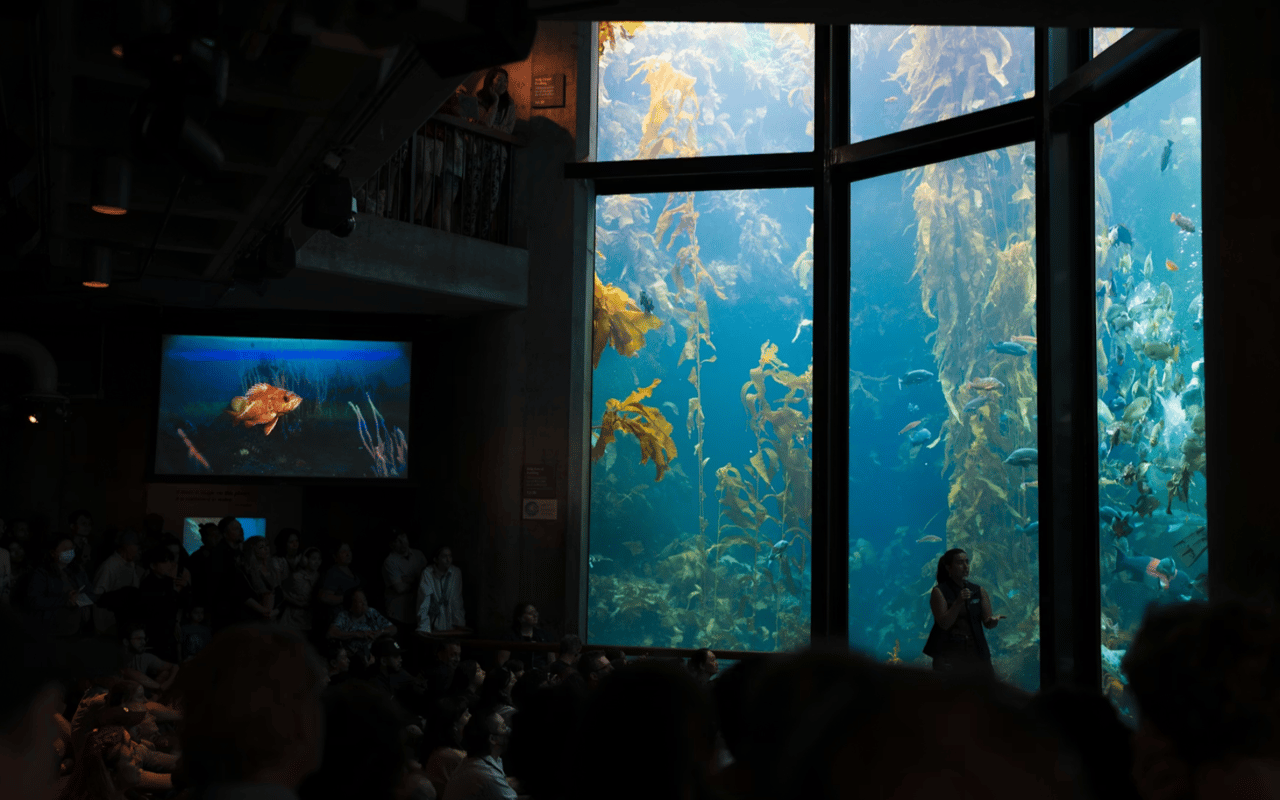
Located approximately ten miles north of Carmel in Monterey, the Monterey Bay Aquarium is one of the finest aquariums in the world and an essential experience for any family visiting or living on the Peninsula. The aquarium's exhibits focus on the specific ecosystems of Monterey Bay and the broader Pacific, which means that the sea otters, harbor seals, jellyfish, and kelp forest species children encounter here are the same animals and ecosystems they have just observed from the trails at Point Lobos and the bluffs above Carmel Beach.
That continuity between wild experience and aquarium education is one of the things that makes the Monterey Bay Aquarium so powerful for children in particular. The facility's touch pools, feeding demonstrations, and interactive exhibits are designed with genuine pedagogical intention, and the quality of the interpretive programming reflects an institutional commitment to ocean conservation that gives even a casual visit a sense of meaningful purpose beyond simple entertainment.
I consistently recommend building a Monterey Bay Aquarium visit into any family trip to the Carmel area, and for families considering a move to the Peninsula, the proximity of this resource to daily life in Carmel is something I highlight as a genuine benefit of raising children in this community.
The Village Itself: Architecture, Art, and Imagination
One of the things that distinguishes Carmel from most family vacation destinations is the village itself as an experiential environment for children. The storybook architecture of Carmel's cottage neighborhoods, with their fairy-tale rooflines, hidden garden courtyards, hand-carved wooden doors, and winding stone pathways, engages the imagination of children in ways that conventional streetscapes simply do not.
Walking Ocean Avenue and the surrounding blocks with children opens opportunities for the kind of spontaneous discovery that defines the best travel experiences. Hidden staircases between properties, unexpected garden views through iron gates, the complete absence of street addresses which turns simple navigation into a minor adventure, and the diversity of architectural styles that somehow coexist in complete visual harmony, all of this gives children with active imaginations rich material to work with.
The gallery scene along Ocean Avenue is more accessible to children than many families expect. Several of Carmel's galleries actively welcome younger visitors and present work in media including sculpture, ceramics, and glass that tends to engage children's tactile curiosity in productive ways. The Carmel Art Association, one of the oldest artists' organizations in California, occasionally hosts programming oriented toward younger audiences that is worth watching for during a longer stay.
Seasonal Family Activities: What Each Time of Year Offers
Spring: Wildlife, Wildflowers, and the Farmers Market
Spring is the season I most often recommend to families visiting Carmel for the first time, and the wildlife calendar is a significant part of that recommendation. Gray whale migration along the Pacific coast runs from approximately December through April, with peak viewing typically occurring in March. The coastal bluff trails at Point Lobos and Garrapata State Park provide elevated vantage points from which whale spouts and breaches are visible to patient observers, and introducing children to the scale of gray whale migration along this coastline is an experience that tends to generate lasting wonder.
Spring also brings wildflowers to the coastal bluffs and inland hillsides in a display that peaks in March and April and provides an exceptional backdrop for family hiking at Garrapata State Park and the easier trails within Point Lobos. The Carmel Farmers Market in spring offers an excellent family activity centered on exploring local produce, sampling artisan food products, and connecting children with the agricultural heritage of the Monterey County region.
Summer: Beach Days, Festivals, and Long Evenings
Summer in Carmel is peak season for a reason, and for families the long days and reliable mild temperatures create ideal conditions for the unhurried beach-centered rhythm that defines the best family vacations. Carmel Beach in summer is as beautiful as at any other time of year, and the longer daylight hours mean that beach days can extend well into the evening without any sense of rushing.
The Carmel Bach Festival, held annually in late July, introduces children to live classical music performance in a community setting that is genuinely accessible and celebratory rather than formal and intimidating. The festival's outdoor and community programming creates opportunities for families to experience world-class musical performance in a relaxed environment that welcomes younger audiences.
Exploring the tide pools along the rocky sections of coastline north and south of Carmel Beach is a particularly rewarding summer activity for children, as the lower tides that occur during summer months expose more of the intertidal zone and its inhabitants. Hermit crabs, sea stars, anemones, and the small fish that dart between the rocks provide hours of observation for children with the patience and curiosity to look closely.
Fall: Quieter Roads, Clearer Skies, and Harvest Season
Fall is one of the best kept secrets of family travel to Carmel-by-the-Sea. The summer crowds have thinned considerably by September and October, the weather shifts toward the warm and clear conditions that locals often describe as the region's most reliably beautiful, and the harvest season in Carmel Valley adds a rich agricultural dimension to the family experience that spring and summer visits do not always provide.
Visiting Carmel Valley in fall during harvest season, when the vineyards are at their most visually dramatic and the farm stands are stocked with the most abundant produce of the year, creates a memorable family experience that combines natural beauty with a genuine sense of seasonal celebration. The valley's apple orchards and pumpkin farms during October add a classic autumnal dimension that families with younger children find particularly engaging.
The hiking conditions in fall at Point Lobos, Garrapata, and the trails along the coastal bluffs are among the finest of the entire year, with clear visibility extending far out to sea and the coastal scrub vegetation turning warm amber and gold tones that add visual richness to every trail walk.
Winter: Whale Watching, Storm Watching, and Holiday Magic
Carmel in winter is a revelation for families who arrive expecting the village to feel closed or diminished by the off-season. The village decorates beautifully for the holiday season, the boutiques and galleries are warmly lit and actively welcoming, and the dining scene continues at full energy. Winter also introduces two experiences that are entirely specific to this season and genuinely extraordinary for families.
Gray whale migration begins in December and builds through January and February, and the coastal vantage points around Carmel provide some of the best land-based whale watching on the California coast. For children who have read about gray whales or encountered them at the aquarium, seeing a spout rise above the Pacific horizon from the bluffs at Point Lobos or Carmel Point is an experience that lands with remarkable emotional weight.
Storm watching from the protected environments around Carmel, observing the winter Pacific swells from the safety of the bluff overlooks along Scenic Road or from the windows of a warm cottage rental, is another winter experience that Carmel delivers with particular drama. The combination of the village's cozy interior atmosphere and the wild conditions on the coast outside creates a contrast that children and parents alike tend to find deeply satisfying.
Practical Tips for Families Visiting Carmel-by-the-Sea
Families visiting Carmel benefit from a few practical considerations that make the experience more comfortable and more rewarding. The village is entirely walkable for families with children old enough to manage a few miles of gentle terrain, but a stroller or carrier is useful for very young children navigating the occasional uneven stone pathways throughout the residential neighborhoods.
Accommodations with kitchen facilities or access to outdoor cooking areas are worth seeking out for families, as they allow for easy meal preparation using market provisions and reduce the cost and logistical complexity of dining out for every meal. Several of Carmel's vacation rental properties offer exactly this kind of residential-style accommodation within the village proper.
Timing visits to Point Lobos for weekday mornings rather than weekend afternoons reduces parking challenges significantly and tends to produce a quieter, more wildlife-rich experience for families who are patient and early. The reserve's ranger-led programs, offered seasonally, provide exceptional educational context for children and are worth incorporating into a visit whenever scheduling allows.
FAQ About Family Activities in Carmel-by-the-Sea
Is Carmel-by-the-Sea a good destination for families with very young children?
Absolutely. The beach, the village walking environment, the farmers market, and the wildlife viewing at Point Lobos are all accessible and engaging for very young children. The village's pedestrian-friendly layout and complete absence of traffic signals makes it particularly comfortable for families navigating with strollers or young walkers.
What is the best age for children to visit Point Lobos State Natural Reserve?
Children of virtually any age respond positively to Point Lobos, but the experience tends to be most impactful for children between five and twelve years old who can manage the trails independently and engage meaningfully with the wildlife observation opportunities the reserve provides. The reserve's interpretive materials are pitched accessibly for this age range and help children contextualize what they are seeing.
Are there organized children's activities or programs in Carmel?
The Monterey Bay Aquarium offers extensive children's programming throughout the year. The Carmel Bach Festival includes family-oriented events during its summer run. Several of Carmel's galleries host occasional youth-oriented workshops and art education programming. The broader Monterey Peninsula community includes a robust network of youth sports, outdoor education, and arts programming that families who relocate to the area access through the local school community.
How does raising children in Carmel-by-the-Sea differ from other California communities?
In ways that matter deeply to many families I have worked with. The combination of immediate access to extraordinary natural environments, a walkable village center with genuine community character, excellent schools in the Carmel Unified School District, and a community culture that values quality of life in a holistic sense creates a childhood environment that is genuinely distinctive. Many parents who grew up elsewhere and chose to raise their children in Carmel describe it as one of the most consequential and satisfying decisions they have made.
Does Carmel-by-the-Sea have good schools for families considering relocation?
The Carmel Unified School District has a strong academic reputation and serves the village and surrounding areas. Families relocating to the Carmel area typically find the educational environment to be one of the community's genuine assets, and I am happy to connect prospective buyer families with resources for evaluating schools as part of the relocation conversation.
How does the family lifestyle in Carmel influence real estate decisions?
Significantly and in both directions. Families drawn to Carmel for lifestyle reasons often prioritize properties with garden space, proximity to the beach and village center, and access to the trail networks that make outdoor family life so central to the Carmel experience. Understanding how a property fits the specific rhythms of family life here is something I bring particular attention to in my work with family buyers.
Ready to Give Your Family the Gift of Life in Carmel-by-the-Sea?
The village is waiting, and so are the beaches, the trails, the tide pools, the farmers markets, and all the seasons that make growing up or raising a family in Carmel-by-the-Sea something genuinely extraordinary. If you are ready to explore what homeownership in this community could look like for your family, I would love to be part of that conversation.
Visit katyharrisonrealty.com to browse current listings and connect with Katy Harrison, your trusted local guide to family life and real estate in one of California's most beloved coastal communities.