If you are drawn to the Monterey Peninsula but want a town that feels more intimate, more walkable, and deeply tied to the coastline, Pacific Grove deserves a close look. Many buyers want ocean access and charm without feeling surrounded by a heavily built-out resort setting. This guide will help you understand how Pacific Grove lives day to day, from its walkable core to its housing styles and price point, so you can decide whether it fits the lifestyle you want. Let’s dive in.
Pacific Grove at a Glance
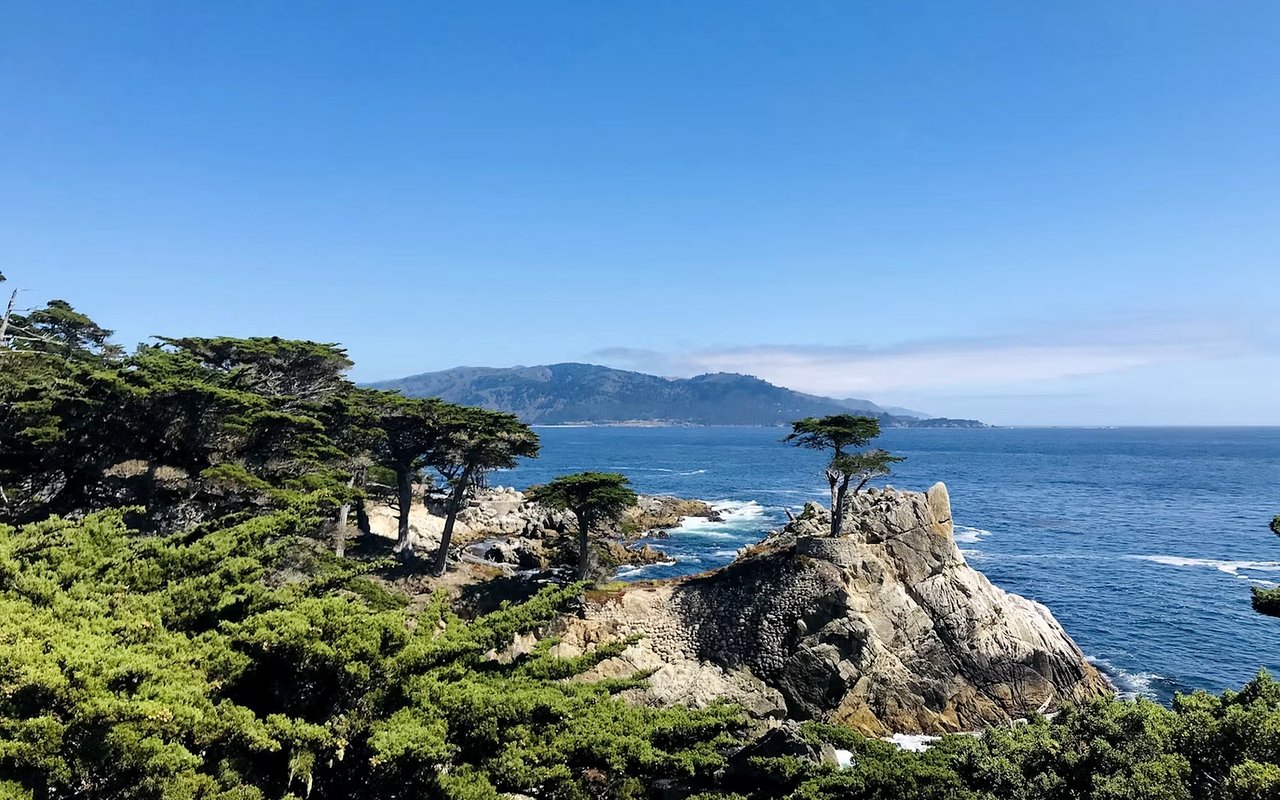
Pacific Grove sits at the tip of the Monterey Peninsula between Monterey and Pebble Beach, with the Pacific Ocean shaping much of its northern and western edges. That setting gives the city a strong coastal identity and easy access to some of the peninsula’s best-known shoreline landmarks.
Lighthouse Avenue serves as the city’s traditional commercial spine, while the oldest part of town is clustered in the tighter grid between Lighthouse Avenue and Monterey Bay. Farther out, near Forest Avenue and Pacific Grove Acres, you will generally find larger parcels and more recent construction. The city also includes part of 17 Mile Drive, and Cannery Row is just east of the city limits in Monterey.
Why Pacific Grove Feels So Walkable
One of Pacific Grove’s biggest lifestyle advantages is how naturally it supports daily walking. According to the city’s housing element, the most walkable areas are in the eastern and central parts of town, while the rest of the city is still above average for walkability.
That matters because many coastal towns offer scenic views but require more driving for everyday errands or simple neighborhood outings. In Pacific Grove, the historic core feels especially foot-friendly, and city policy has also emphasized sidewalks on primary pedestrian routes, particularly in the center and downtown.
Walkability is strongest in the core
The area between Lighthouse Avenue and Monterey Bay helps explain why Pacific Grove feels more village-like than many other coastal communities. The earlier city grid is denser, the streets are easier to navigate on foot, and the layout supports a more connected day-to-day experience.
If you picture morning coffee, an afternoon shoreline stroll, or a quick outing without getting in the car, this part of town often aligns with that vision. Buyers who prioritize lifestyle rhythm over sheer square footage often notice this right away.
The coastal trail adds daily convenience
The Monterey Bay Coastal Recreational Trail is more than a scenic feature. City planning documents describe it as a route connecting Monterey and communities to the east with Pacific Grove, ending at Lovers Point, with separated bike and walking paths along much of the way.
For you, that means the trail can function as both a leisure amenity and a practical transportation corridor. It supports the kind of everyday movement that makes a place feel livable, not just beautiful on weekends.
Asilomar offers a different kind of walkability
At the southwest corner of the city, Asilomar State Beach adds another layer to Pacific Grove’s appeal. California State Parks describes a three-quarter-mile walking trail with accessible features, set among sand dunes, rocky coves, and tidepools.
This is one reason Pacific Grove often appeals to buyers who care more about peaceful daily walks and coastal access than nightlife or a high-energy commercial scene. The experience is scenic, calm, and rooted in the landscape.
Coastal Landmarks That Shape Daily Life
Pacific Grove’s setting is not just pretty on a map. Its landmarks help define how the town feels to live in and how residents spend time close to home.
Lovers Point sits just north of the city center and acts as one of the best-known local anchors. Point Pinos Lighthouse marks the northwest corner and stands as the oldest active navigational aid on the West Coast. At the southwest edge, Asilomar brings together shoreline access, a pedestrian trail, and the historic Julia Morgan-designed conference grounds.
Together, these places create a town where the coastline is not an occasional destination. It is part of the daily backdrop. That can be a major draw if you are searching for a home base where outdoor access feels built into normal life.
Pacific Grove Homes and Architecture
Pacific Grove has a very different housing feel than a newer suburban beach market. Instead of large uniform subdivisions, you will find a varied housing stock with a strong preservation culture and a clear sense of history.
The city’s Historic Resources Inventory is the official local list of historic resources and covers pre-1926 buildings, including more than 1,300 structures. The Pacific Grove Heritage Society has also placed green plaques on 679 historic homes, which speaks to how visible and valued the city’s architectural legacy is.
Historic homes are part of the appeal
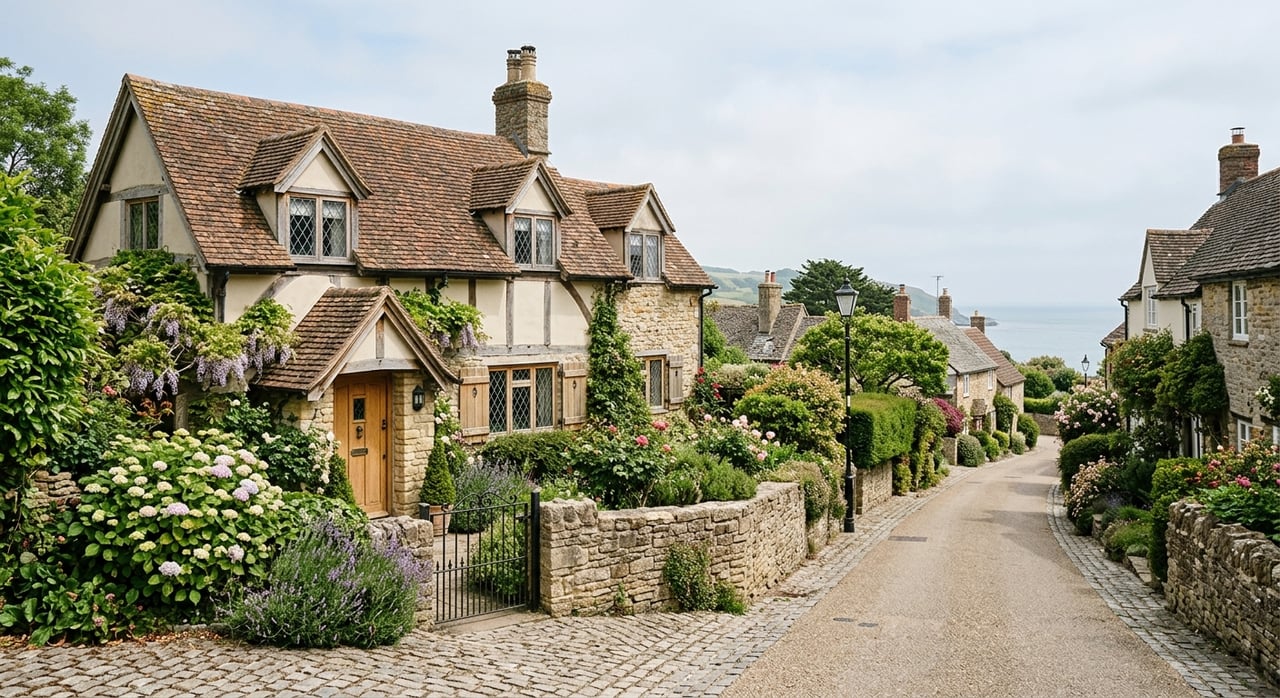
If you love homes with personality, Pacific Grove offers a broad mix of older architectural styles. City historic documentation identifies Folk Victorian tent cottages as the most common 19th-century housing type, along with Queen Anne residences and other Victorian-era forms.
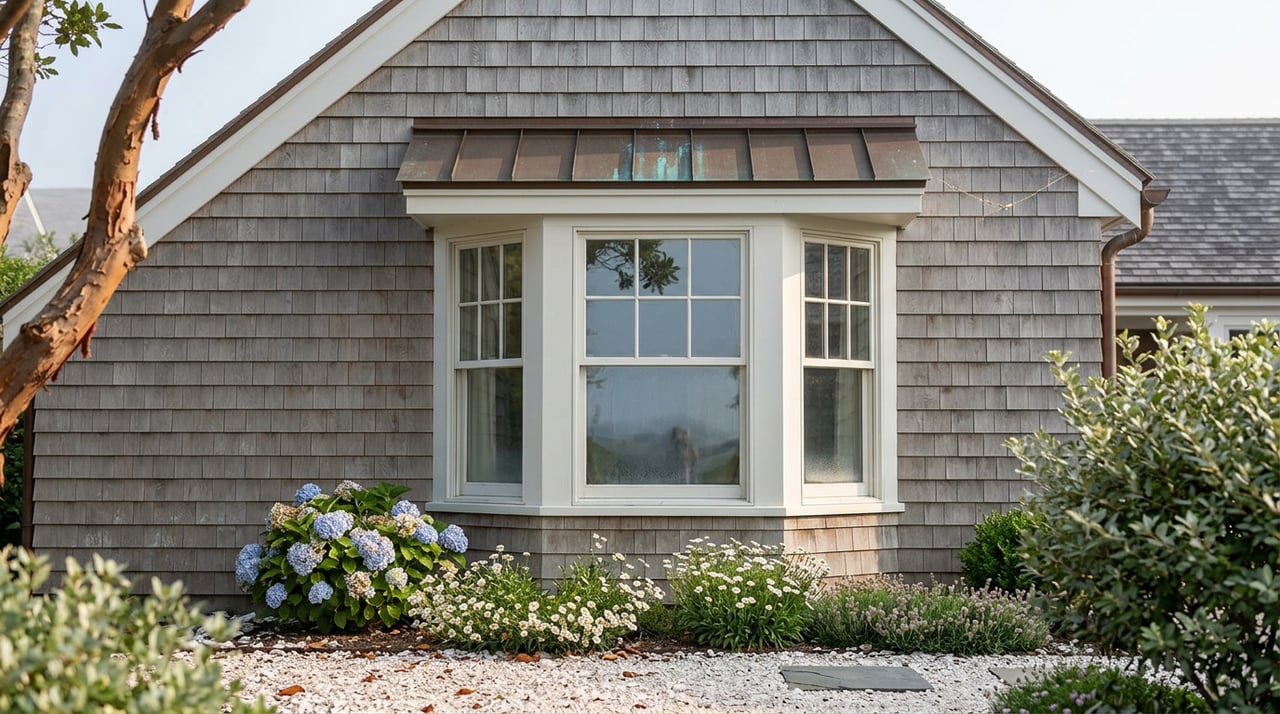
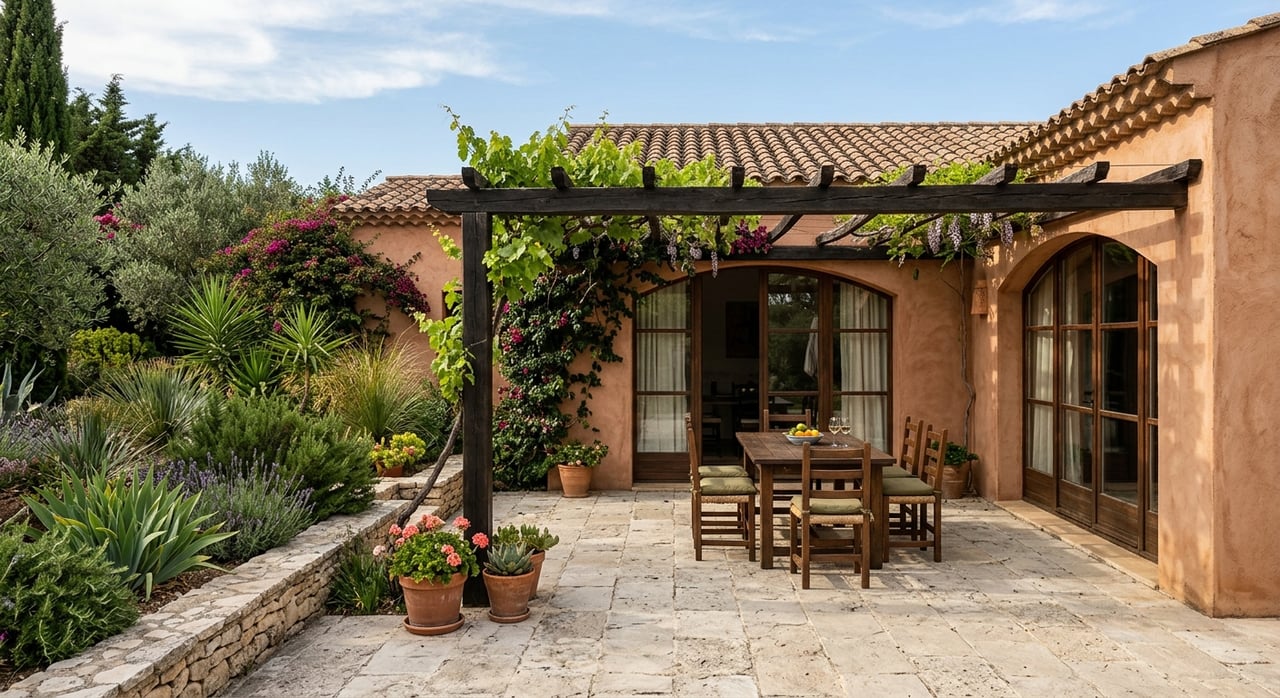
Later periods added Mediterranean Revival, Pueblo Revival, Tudor Revival, Cape Cod bungalows, and Minimal Traditional and ranch-influenced homes. For buyers, that variety can make home shopping here feel more interesting and more nuanced than in communities dominated by one era or one style.
Housing types vary across the city
The city’s layout also affects the housing mix. Near the historic grid, you are more likely to see smaller cottages and denser residential patterns. On the outer edges, parcels tend to become larger, and some homes reflect more recent construction.
The local market also includes condos, townhomes, and some multifamily housing. That gives buyers several ways to enter the market, even within a relatively compact coastal city.
Pacific Grove Home Prices in Context
Pacific Grove is a premium coastal market, and recent pricing shows that clearly. Redfin reports a median sale price of $1,361,685 over the three months ending May 2026, with a median of 20 days on market and a 99.4% sale-to-list ratio.
By property type, Redfin reports medians of $1,529,222 for single-family homes, $1,319,500 for condos and co-ops, and $1,245,245 for townhouses. That range is useful because it shows meaningful variation within the city, even though Pacific Grove itself is relatively small.
For added context, Monterey’s median sale price over the same general period was $999,402, while Pebble Beach’s was $2,659,106. Based on those medians, Pacific Grove sits above Monterey and below Pebble Beach in price positioning. In practical terms, that suggests a coastal market with a premium feel that does not fully reach Pebble Beach’s higher luxury tier.
Who Pacific Grove Often Fits Best
Pacific Grove tends to resonate with buyers who want a low-key coastal setting with character. The mix of walkability, preserved housing stock, trail access, and proximity to Monterey and Pebble Beach makes it especially compelling if your priorities are lifestyle-driven.
You may find Pacific Grove especially appealing if you are looking for:
- A primary home with everyday walkability
- A second home near the coast with a quieter feel
- A retirement move centered on scenic access and ease of living
- A home with architectural character rather than a more uniform tract setting
- A Monterey Peninsula location that balances charm, convenience, and a smaller-town atmosphere
This is not a place defined by flashy commercial energy. Its strength is the opposite. Pacific Grove feels intimate, established, and coastal in a way that many buyers find hard to duplicate elsewhere on the peninsula.
What to Keep in Mind as a Buyer
Pacific Grove can look simple on paper because it is compact, but the buying decision often becomes more detailed once you start comparing blocks, housing styles, and proximity to the shoreline or the town center. Small shifts in location can change the feel of daily life, walkability, and the type of home available.
That is why local context matters. If you are deciding between Pacific Grove, Monterey, or Pebble Beach, it helps to look beyond headline prices and focus on how you want to live each day. In a market like this, the right fit is often about rhythm, setting, and home character as much as the address itself.
If Pacific Grove sounds like the kind of place where you could see yourself slowing down, walking more, and enjoying the coast in a more personal way, a thoughtful home search can help you narrow in on the best match for your goals. When you are ready for tailored guidance on Pacific Grove and the wider Monterey Peninsula, connect with Katy Harrison for polished, local insight and white-glove support.
FAQs
What is Pacific Grove like for walkability?
- Pacific Grove’s most walkable areas are in the eastern and central parts of the city, and the rest of town is considered above average for walkability according to the city’s housing element.
What trail access does Pacific Grove offer?
- Pacific Grove connects to the Monterey Bay Coastal Recreational Trail, which links Monterey and communities to the east with Pacific Grove and ends at Lovers Point, with separated walking and biking paths along much of the route.
What kinds of homes are common in Pacific Grove?
- Pacific Grove has a varied housing stock that includes historic cottages, Victorian-era homes, Mediterranean Revival, Tudor Revival, Cape Cod bungalows, Minimal Traditional homes, condos, townhomes, and some multifamily properties.
How expensive is Pacific Grove compared with nearby areas?
- Recent median sale price data places Pacific Grove above Monterey and below Pebble Beach, with Pacific Grove at $1,361,685, Monterey at $999,402, and Pebble Beach at $2,659,106 over the same general period.
What makes Pacific Grove different from other coastal towns?
- Pacific Grove stands out for its walkable historic core, preserved architecture, access to Lovers Point and Asilomar, and a quieter, more intimate coastal feel than many resort-oriented communities.