By Katy Harrison
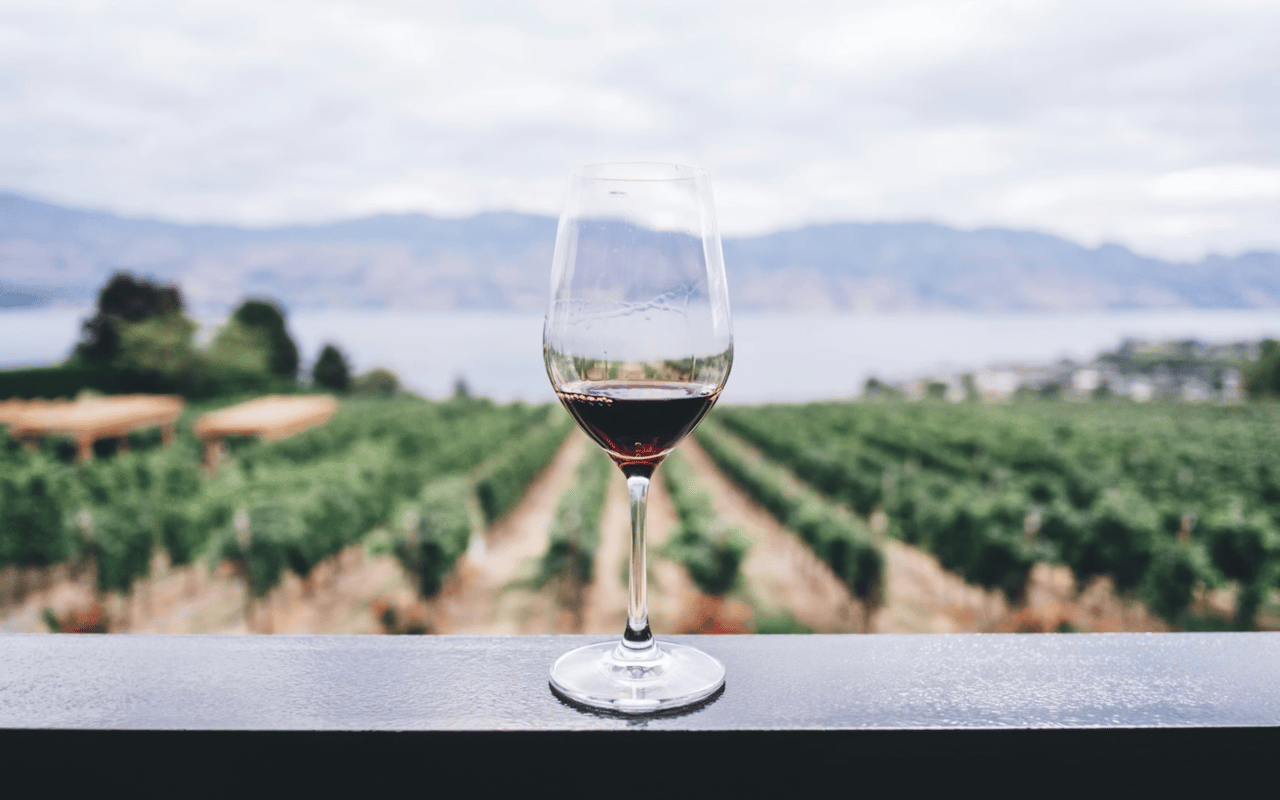
There is a moment that happens reliably when I introduce wine-focused visitors to the greater Carmel area for the first time. It usually occurs somewhere between the first sip of a Santa Lucia Highlands Pinot Noir poured against the backdrop of a vine-covered hillside and the realization that they have stumbled into one of California's most genuinely compelling wine regions without quite knowing it was here.
The Central Coast wine story is well told in general terms, but the specific chapter that belongs to Carmel Valley and the Santa Lucia Highlands remains one of the most rewarding discoveries available to any serious wine enthusiast traveling California today.
As someone who lives and works in this community, I have had the privilege of watching this wine region mature over the years into something that commands real attention from collectors, sommeliers, and the kind of thoughtful wine traveler who prefers depth over spectacle.
The combination of the Carmel Valley appellation and the Santa Lucia Highlands AVA creates a weekend itinerary of extraordinary range, moving from intimate village tasting rooms to high-elevation mountain vineyards where the combination of marine influence, dramatic diurnal temperature swings, and ancient soils produces wines that are increasingly recognized among the finest expressions of Pinot Noir and Chardonnay in California.
If wine is the lens through which you experience a place, Carmel and the Santa Lucia Highlands will show you something you are not likely to forget.
Understanding the Wine Geography: Why This Region Produces Such Distinctive Wines
Before diving into specific recommendations, it is worth spending a moment with the geography that makes this region so compelling from a wine perspective, because the landscape here is not merely beautiful backdrop. It is an active participant in what ends up in the glass.
The Santa Lucia Highlands AVA sits at elevations ranging from 1,200 to 2,200 feet along the western slopes of the Santa Lucia Mountain range, which rises steeply from the Salinas Valley floor. This elevation is critical. The mountains catch and channel the cool marine air that pours through the Salinas Valley gap from Monterey Bay each afternoon, creating the dramatic temperature swings between warm daytime highs and cool evening lows that viticulturalists describe as diurnal variation.
That temperature contrast is what allows grapes in this region to develop the kind of physiological ripeness and flavor complexity that warm coastal climates cannot achieve while simultaneously maintaining the natural acidity that gives the wines their structure, tension, and aging potential.
Carmel Valley, by contrast, sits inland from the coast and benefits from the Carmel River corridor, which moderates temperatures while still allowing the valley's warmer, sunnier microclimate to develop grapes with a rounder, more generous fruit profile than the higher elevation sites. The two appellations sit within an easy drive of each other and of Carmel-by-the-Sea itself, creating a wine weekend geography that is remarkably convenient without feeling compressed.
Friday Evening: Arrive in Carmel and Begin With the Village
Settling In and Starting With a Village Pour
Plan to arrive in Carmel-by-the-Sea on Friday afternoon and allow the village to set the tone for the weekend ahead before venturing into the wine country proper. Carmel itself hosts several exceptional wine-focused destinations that deserve attention in their own right, and beginning your weekend within the village provides both a gentle introduction and a meaningful contrast to the winery visits you will pursue on Saturday and Sunday.
Taste Morgan Winery, one of the Santa Lucia Highlands' most celebrated producers, maintains a tasting room in Carmel that provides an ideal opening experience for the weekend. Morgan's Pinot Noir and Chardonnay from their Double L Vineyard in the highlands represent benchmark expressions of what this AVA is capable of, and tasting them in the village before visiting the region itself creates a satisfying narrative arc for the weekend.
For Friday dinner, the wine list at Aubergine at L'Auberge Carmel is one of the finest curated selections of Central Coast and Santa Lucia Highlands producers available anywhere in the region, and the kitchen's approach to local and seasonal ingredients from the Monterey Peninsula creates pairings that reveal the wines at their most expressive. This is the evening for a longer, more contemplative dinner experience that sets the intellectual and sensory tone for the wine-focused days ahead.
Saturday: Carmel Valley and Its Winemaking Tradition
Morning in Carmel Valley Village
The drive from Carmel-by-the-Sea to Carmel Valley Village along Carmel Valley Road is itself a pleasure worth savoring slowly. The road winds inland through increasingly warm and golden landscape, leaving the coastal fog behind and arriving in a valley that feels sunlit and generous in ways the immediate coastline does not always allow. By the time you reach the village, approximately twelve miles from Carmel, the temperature has typically risen several degrees and the agricultural character of the surroundings has shifted the mood entirely.
Begin the morning with breakfast at one of the valley's casual local establishments before the tasting rooms open. The unhurried pace of a Saturday morning in Carmel Valley Village, with its ranching heritage visible in the architecture and the community character of the people you encounter, provides a grounding context for the wine experiences that follow.
Bernardus Winery: The Carmel Valley Benchmark
Bernardus Winery is the essential starting point for any serious exploration of Carmel Valley wine, and Saturday morning is the right time to visit before the tasting rooms fill with the afternoon crowd. The winery's estate Marinus Vineyard produces a Bordeaux-style blend that has been among the most celebrated red wines on the Monterey Peninsula for decades, and the Chardonnay and Pinot Noir from their vineyard sources across the region demonstrate the range and ambition of what Bernardus has consistently delivered.
The tasting experience at Bernardus is polished without being pretentious, and the staff's knowledge of both the estate vineyards and the broader regional context is genuinely impressive. The property itself, with its bocce courts, mature gardens, and European-inflected architecture, creates a setting that encourages lingering well beyond the tasting itself. The Bernardus Lodge and Spa adjacent to the winery is worth noting as an exceptional accommodation option for wine-focused visitors who want to remain immersed in the valley environment for their entire stay.
Folktale Winery: Energy, Events, and Exceptional Grounds
A short drive from Bernardus, Folktale Winery brings a different energy to the Carmel Valley wine experience. The property's expansive grounds, rotating event programming, live music on weekend afternoons, and the warm, festive atmosphere of the tasting pavilion create an experience that is more celebratory in character than the focused precision of a traditional winery visit, and that contrast is genuinely valuable within the arc of a wine weekend.
Folktale produces wines across a range of varieties and styles, with particular strength in their sparkling offerings and their approachable, fruit-forward Pinot Noir. The property also sources fruit from Santa Lucia Highlands vineyards, which provides a useful bridge between the valley character visitors have experienced at Bernardus and the highland expressions they will encounter on Sunday.
For lunch, Folktale's culinary programming on weekends typically includes food options that pair thoughtfully with their wines, and the outdoor seating on the property allows for a relaxed midday experience with the valley's warm hillside landscape surrounding you on all sides.
Afternoon Exploration: Smaller Producers and Hidden Gems
Carmel Valley hosts a number of smaller, less widely publicized producers whose wines reward the visitor willing to venture beyond the most established names. Joullian Vineyards, a family-owned estate with deep roots in the valley, produces Cabernet Sauvignon, Zinfandel, and Rhone varieties alongside its Chardonnay that demonstrate the valley's capacity for warmer-climate varieties alongside its Burgundian expressions.
Cowgirl Winery in Carmel Valley Village offers a casual, ranch-inspired tasting experience that captures the valley's agricultural heritage in a way that the more polished estates do not always emphasize. The wines are approachable and honest, the atmosphere is genuinely friendly, and the overall experience provides a perspective on Carmel Valley wine culture that is worth including in a thorough weekend exploration.
Saturday Evening: Dinner in Carmel Valley or the Village
For Saturday dinner, the choice between remaining in Carmel Valley and returning to the village reflects the pace and mood of your afternoon. If the valley has taken hold of you completely, the Restaurant at Bernardus Lodge offers a dinner experience of genuine distinction, with a kitchen that approaches local and seasonal ingredients from the surrounding agricultural landscape with the same seriousness that the best Carmel village restaurants bring to their menus.
Returning to Carmel for dinner allows for a different kind of evening, and I particularly recommend Cultura Comida y Bebida on Dolores Street, whose mezcal and wine program bridges regional California producers with thoughtful Mexican spirits in ways that feel surprising and consistently right. The seasonal menu changes regularly and reflects a kitchen that takes its sourcing as seriously as the winemakers you have spent the day visiting.
Sunday: Into the Santa Lucia Highlands
The Drive Up: Entering the Highland Wine Country
Sunday morning begins the most dramatic chapter of the wine weekend. The drive from Carmel-by-the-Sea or Carmel Valley into the Santa Lucia Highlands via the Arroyo Seco and Carmel Valley Road corridor takes you through increasingly rugged and elevated terrain that prepares you, gradually and persuasively, for the landscape you are about to encounter.
The Santa Lucia Highlands wineries are spread across a larger geographic area than the concentrated Carmel Valley tasting room cluster, and planning your Sunday route in advance ensures you make the most of the available time. I recommend identifying two to three estates for focused visits rather than attempting to cover the entire AVA in a single day, as the distances between properties and the richness of each individual experience reward depth over breadth.
Pisoni Vineyard and the Legacy Producers
The Pisoni family has been farming in the Santa Lucia Highlands since the 1980s and their estate vineyard is among the most celebrated Pinot Noir sources in California. Pisoni fruit appears in the wines of some of the state's most acclaimed producers, including Williams Selyem, Roar, and Lucia, and the family's own label represents one of the most authentic expressions of what this extraordinary piece of ground produces.
Visiting the Pisoni estate requires advance arrangement, as the property does not operate as a conventional public tasting room, but the effort of securing an appointment is rewarded with an experience that situates you in the physical context of a vineyard that has shaped California Pinot Noir history in meaningful ways.
Roar Wines and Lucia: Highland Expressions of Distinction
Roar Wines, produced by the Franscioni family from their estate Garys' Vineyard in the Santa Lucia Highlands, represents some of the most consistently compelling Pinot Noir and Syrah produced in the AVA. The wines have a tension and mineral depth that reflects the specific character of the highland terroir, with that combination of generous fruit and cool-climate structure that defines the best expressions of this region.
Lucia, the winery associated with the Pisoni family's own production, offers a complementary perspective on Santa Lucia Highlands terroir with exceptional Chardonnay and Pinot Noir that demonstrate the range of what the AVA's various vineyard sites can express. Tasting these wines in the context of the landscape that produced them, with the mountain views and the afternoon marine layer beginning to push across the ridge lines from the coast, is an experience that crystallizes everything the weekend has been building toward.
Sunday Afternoon: Closing the Weekend With Intention
Before descending back toward the coast and Carmel-by-the-Sea, take a moment at one of the highland viewpoints to absorb the full geographic scope of the wine region you have spent the weekend exploring. The view from the Santa Lucia ridge on a clear Sunday afternoon, with Monterey Bay visible to the northwest and the Salinas Valley agricultural patchwork spread below to the east, connects the landscape to the wines in a way that makes the weekend feel genuinely complete.
Return to Carmel for a closing dinner that allows you to reflect on what you have tasted and experienced over two days of focused wine exploration. The wine programs at Carmel's best restaurants stock Santa Lucia Highlands and Carmel Valley producers with genuine care and knowledge, and ordering a bottle you tasted at the source earlier in the weekend creates a satisfying circle of experience that is one of the particular pleasures of wine travel done well.
FAQ About Wine Travel in Carmel and the Santa Lucia Highlands
What grape varieties excel in the Santa Lucia Highlands AVA?
Pinot Noir and Chardonnay are the flagship varieties, benefiting most directly from the AVA's cool climate, diurnal temperature variation, and the mineral-rich soils of the highland vineyards. Syrah also performs exceptionally well in certain sites, producing wines with a cool-climate pepper and dark fruit character that is distinct from warmer California expressions.
Do Santa Lucia Highlands wineries require appointments for tasting?
Many of the smaller, more artisanal highland producers do require advance appointments, and securing these before your visit is strongly recommended. The more established Carmel Valley tasting rooms generally welcome walk-in visitors, particularly earlier in the day on weekdays.
What is the best time of year for wine travel in this region?
Harvest season from late August through October is the most kinetically exciting time to visit, as the vineyards are at their most visually dramatic and the winemaking activity throughout the region creates an atmosphere of focused energy. Spring visits offer beautiful green vineyard landscapes and the reopening of seasonal programming at many properties. Summer brings the most reliable weather but also the highest visitor volume.
How does wine culture influence the Carmel real estate market?
Significantly and in ways that go beyond the obvious lifestyle considerations. Properties in Carmel Valley with vineyard proximity or rural agricultural character attract a specific buyer profile of wine-focused individuals who are often looking for lifestyle integration rather than simple residential investment. Within Carmel-by-the-Sea itself, the quality of the local wine and dining culture is consistently cited by buyers as one of the community's most compelling lifestyle attributes.
Can wine-focused visitors pair a weekend in this region with property exploration?
Absolutely, and I find that wine travel and real estate curiosity tend to reinforce each other in this particular community. The lifestyle that the Carmel and Santa Lucia Highlands wine region represents, of intentionality, quality, and deep connection to a specific landscape, is precisely the lifestyle that draws buyers to Carmel-by-the-Sea and Carmel Valley property. If the weekend leaves you wondering what it would feel like to belong to this community permanently, that is a conversation I am always glad to have.
Ready to Uncork a Life in Carmel-by-the-Sea?
The vineyards are planted, the cellars are stocked, and the village is waiting. If a weekend among these wines and landscapes has stirred something that feels less like vacation satisfaction and more like genuine longing for a different kind of daily life, I would love to help you explore what ownership in this extraordinary community could look like.
Visit katyharrisonrealty.com to browse current listings in Carmel-by-the-Sea and the surrounding Monterey Peninsula and connect with Katy Harrison, your trusted local guide to one of California's most remarkable places to live, invest, and belong.