Dreaming about a place where you can leave the city behind, hear the ocean by morning, and settle into a familiar weekend rhythm? Owning a second home in Santa Cruz can feel a lot like that, but it also comes with real planning, carrying costs, and the need to keep a property ready between visits. If you are considering a coastal retreat here, it helps to understand both the lifestyle and the day-to-day realities. Let’s dive in.
Santa Cruz Second-Home Appeal
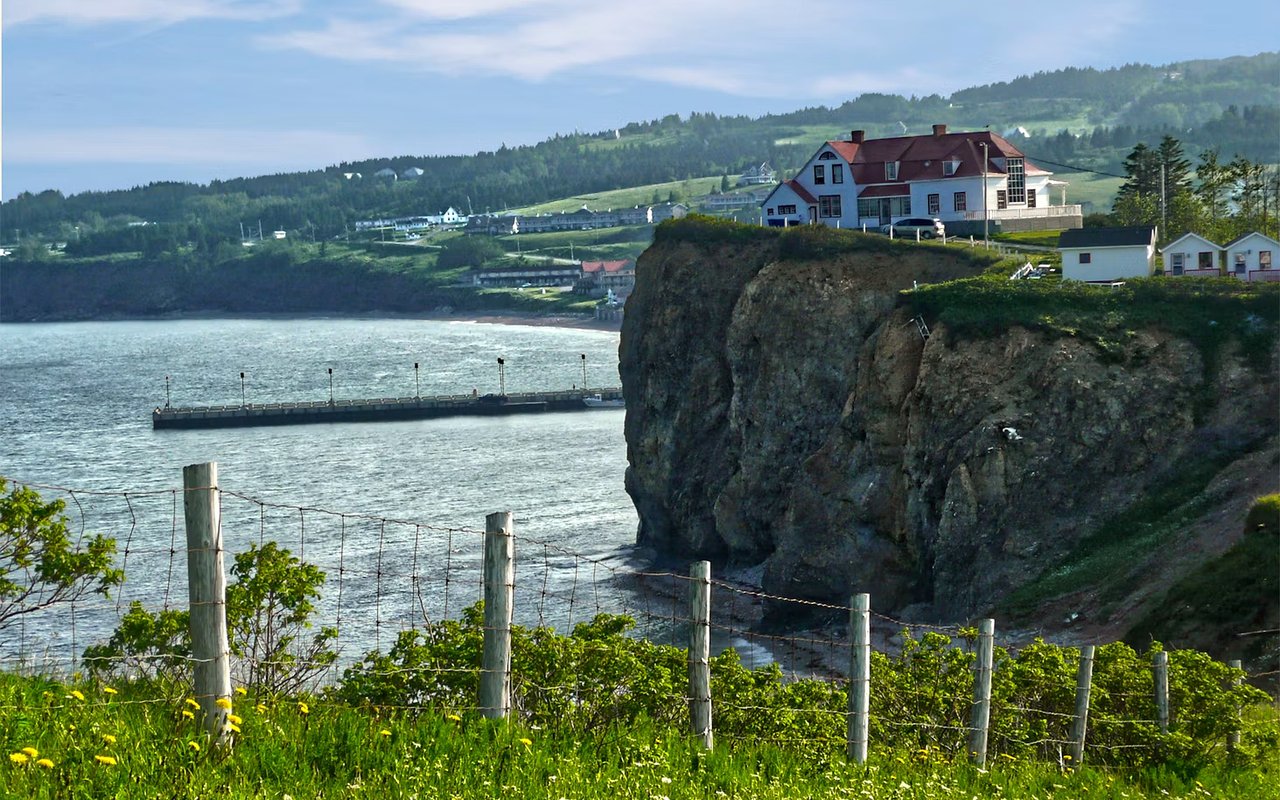
Santa Cruz is built for repeat getaways. Santa Cruz County offers 29 miles of coastline and more than 14 state parks and beaches, which gives you plenty of ways to enjoy the coast without needing a packed itinerary.
It is also close enough for frequent use. Santa Cruz sits about 70 miles south of San Francisco and 35 miles north of Monterey, so for many Northern California buyers, it works well for long weekends, summer stretches, and holiday stays.
The climate adds to that ease. NOAA climate normals show a mean annual temperature of 58.7°F, about 30.63 inches of annual precipitation, and no average snowfall, which supports the idea of a year-round second home rather than a purely seasonal escape.
What Weekend Living Feels Like
A Santa Cruz second home often shines in the simple parts of the day. You can arrive on a Friday, wake up to ocean air, and enjoy a beach walk or coffee run without feeling like you need to organize a full vacation.
Main Beach, also known as Cowell Beach, is open from sunrise to sunset and has lifeguards in summer. Seabright State Beach is known for sunrise and sunset views, while Natural Bridges offers tide pooling and monarch viewing in season.
If you like an active start, West Cliff Drive gives you a 3-mile walking and biking path with sweeping coastal views. That kind of access matters with a second home because even a short stay can feel restorative.
Summer Energy Versus Shoulder Seasons
One of the biggest lifestyle differences in Santa Cruz is the change in feel by season. Summer brings more activity, more visitors, and a more event-driven atmosphere, especially near the beach and Boardwalk.
The Santa Cruz Beach Boardwalk’s summer schedule includes free movies on the beach, live music, magicians, acrobats, DJ dance parties, and half-price arcade mornings. If your second home is part getaway and part gathering place for family and friends, that energy may be part of the appeal.
At the same time, peak weekends can feel busy. The city runs the Santa Cruzer shuttle between downtown and the beach and wharf area on weekends and holidays from Memorial Day weekend through Labor Day, and the harbor’s free inner-harbor water taxi operates during parts of the summer schedule. Those services are helpful, but they also reflect higher seasonal demand.
Shoulder seasons often offer a different rhythm. With fewer crowds and a milder pace, your visits may feel more relaxed, especially if you enjoy walks, dining, and a quieter waterfront experience.
Daily Life Is About More Than Beaches
A second home tends to work best when the area offers enough variety for both sunny days and slower ones. Santa Cruz does that well.
Downtown and waterfront areas offer a full mix of dining, arts, and local events that make even a short visit feel complete. Local highlights include Abbott Square Market, the Santa Cruz Museum of Art & History, the Santa Cruz Art League, the Tannery Arts Center, and the monthly First Friday Art Tour.
For practical living, the Downtown Santa Cruz Farmers’ Market runs year-round on Wednesdays from 1 to 5 p.m. That is the kind of local routine many second-home owners appreciate because it makes it easy to stock the fridge and settle in quickly.
Waterfront and downtown dining also support that easy-use lifestyle. Harbor and downtown favorites noted by the local visitor organization include Crow’s Nest, Aldo’s Harbor Restaurant, Café El Palomar, Johnny’s Harborside, Big Basin Vineyards, and Birichino.
Climate Shapes How You Use the Home
Santa Cruz is a year-round destination, but the seasons still shape ownership. Most rain falls in late fall and winter, while summer is comparatively dry.
That usually makes the dry season easier for travel, outdoor routines, and exterior work. If you are coordinating painting, landscape care, or other outdoor maintenance, that timing can matter.
Winter stays can still be rewarding, but they tend to have a different feel. Indoor routines, restaurants, arts, and cultural outings may take the lead when the weather is wetter.
The Real Costs To Plan For
A second home budget should go beyond the purchase price and mortgage. In Santa Cruz County, property tax administration involves the Assessor-Recorder, Auditor-Controller, and Treasurer-Tax Collector, so taxes are a key line item in your ownership plan.
You will also want to budget for homeowners insurance, utilities, maintenance, repairs, and HOA dues if they apply. Depending on the property, some buyers may also need to explore flood or other supplemental insurance.
This is especially important for coastal ownership. Insurance costs can be shaped by local disaster risk, so it is wise to review the full monthly and annual carrying costs before you buy, not just the initial payment estimate.
The Biggest Adjustment: Time Away
The real difference between a vacation property and a second home is often operational. A Santa Cruz second home is not just a place to enjoy. It is also a property you need to keep ready when you are not there.
That means building a reliable system for cleaning, inspections, and repairs. If you plan to use the home regularly, it helps to have a consistent rhythm so each arrival feels easy instead of turning into a to-do list.
It also helps to plan around busy periods. Summer weekends, holidays, and major Boardwalk activity can affect traffic, parking, and the overall pace near the coast.
Parking and Access Matter More Than You Think
Many buyers focus first on views, walkability, or architectural style, which makes sense. But with a second home, practical access can shape your experience just as much.
The Harbor notes that parking availability is limited, and seasonal transit options exist in part because peak periods get busier. If you picture quick weekend arrivals and low-effort outings, think carefully about how parking, beach access, and local traffic may affect that routine.
This does not lessen Santa Cruz’s appeal. It simply means the best-fit second home is often the one that matches how you actually plan to use it.
What Ownership Often Feels Like Over Time
For many owners, Santa Cruz second-home living becomes less about nonstop activity and more about dependable ease. You arrive, take a walk along West Cliff, stop by the market, have dinner by the harbor or downtown, and slip back into a calmer pace.
That is the real draw. Santa Cruz offers easy coastal recreation, a strong food and arts scene, and enough year-round appeal to make frequent use feel worthwhile.
The tradeoff is that you need to be comfortable with seasonal crowding and recurring costs. When you go in with a clear plan, those tradeoffs are easier to manage, and the lifestyle can feel every bit as rewarding as you hoped.
If you are exploring a second home in Santa Cruz and want thoughtful guidance on lifestyle fit, costs, and the buying process, Katy Harrison offers polished, local support with a calm, high-touch approach.
FAQs
What is daily life like with a second home in Santa Cruz?
- You can expect a relaxed coastal routine built around beach walks, waterfront dining, downtown culture, and short stays that still feel full and restorative.
What seasons are best for using a second home in Santa Cruz?
- Summer is usually drier and easier for outdoor routines, while late fall and winter tend to be wetter and often better suited to indoor dining, arts, and quieter stays.
What costs should you budget for with a Santa Cruz second home?
- In addition to your mortgage, plan for property taxes, homeowners insurance, possible supplemental insurance, utilities, maintenance, repairs, and any HOA dues.
What makes Santa Cruz different from other second-home locations?
- Santa Cruz combines year-round coastal access, a full arts and dining scene, and close regional access for repeat weekend use, while also bringing seasonal crowding in peak periods.
What practical issues matter most for a Santa Cruz second-home buyer?
- Parking, seasonal traffic, property upkeep during time away, and a realistic plan for ongoing carrying costs are some of the most important ownership factors to review.